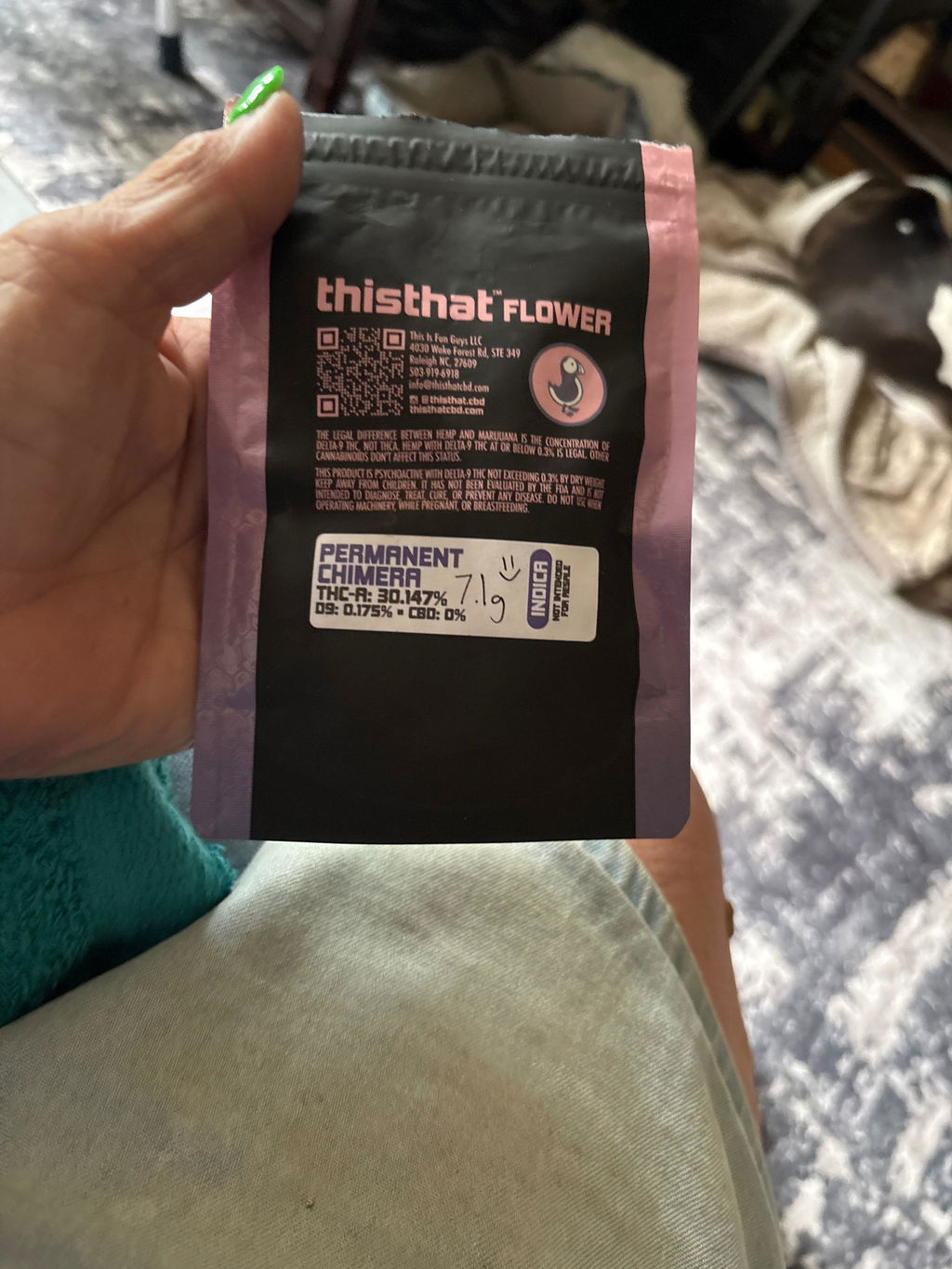
How to Read a THCA Flower COA Like a Buyer (Not a Chemist)
Jan 20, 2026
Reading a THCa flower COA like a buyer means scanning seven specific lines on the lab report — sample ID, lab accreditation, test date, cannabinoid potency, Delta-9 THC compliance, terpene profile, and the four contamination panels — and confirming each one matches what's on the jar in your hand. You don't need a chemistry degree. You need 60 seconds, a phone camera to scan the QR code, and the willingness to put the product back if any line fails. This is the practical, jargon-free walkthrough of every section of a hemp Certificate of Analysis, what good and bad results actually look like, and what to do when a brand can't produce a COA at all.
A COA is the only document that proves what's in a bag of flower. The label can claim anything. The lab report can be cross-checked, batch-matched, and verified on the accreditor's public registry. If you can read a COA in a minute, you can buy hemp confidently anywhere in the country — and you'll stop being one of the buyers brands count on to skip the document entirely.
What a COA Is (and Isn't)
A Certificate of Analysis is a PDF (or a QR-linked web page) produced by an independent, accredited testing laboratory. It documents the test results from a single batch of a single product. A complete cannabis/hemp COA reports five things: who tested it, when, the cannabinoid potency, the terpene profile, and the four mandatory safety panels (pesticides, heavy metals, residual solvents, and microbials). A COA is not a marketing document — it's a chemistry report. The lab that produced it has no incentive to lie; its accreditation depends on being accurate.
A COA is also not a substitute for the brand's reputation, but a brand's reputation is not a substitute for a COA either. They're complementary. Reviews and brand trust come second; the COA comes first.
The 7-Line Buyer's Walkthrough
Every COA is organized differently, but the seven items below appear on essentially every legitimate hemp lab report. Skim them in this order:
Line 1: Sample ID, Batch Number, and Product Name
At the very top of the COA you'll see a sample ID (the lab's internal tracking number), a batch or lot number, and the product name as the brand submitted it. The batch number on the COA must match the batch number printed on your jar. If they don't match, the COA is for a different harvest and tells you nothing about the product in your hand. This single check eliminates the most common COA-fraud pattern: brands reusing an old, clean COA across many batches.
Line 2: Lab Name, Address, and Accreditation
The COA should clearly identify the testing lab (name, address, sometimes a license number) and state its accreditation. The credential you're looking for is ISO/IEC 17025, the international standard for analytical testing laboratory competence. ISO 17025 means the lab's methods, equipment calibration, and personnel have been independently audited by an accrediting body — typically ANAB (ANSI National Accreditation Board) or A2LA (American Association for Laboratory Accreditation) in North America. Both maintain free public registries where you can verify a lab's accreditation in under 30 seconds.
thisthat sources lab work from labs including Green Leaf Lab, which has been ISO/IEC 17025-accredited in both its Oregon and California facilities since 2016.
Line 3: Test Date and Receipt Date
Find the date the lab received the sample and the date(s) the analyses were performed. For THCa flower, you want a COA that is less than 12 months old, and ideally less than 6 months. Cannabinoid potency and terpene content both degrade with storage, so an 18-month-old COA on a current jar is suspect — either the flower is older than the brand admits, or the COA is being reused. A test date older than the manufacture date of the product is a red flag.
Line 4: Cannabinoid Profile
This is the section everyone looks at — and the section most buyers misread. You should see at minimum: THCa, Delta-9 THC, CBD, CBG, CBN, total cannabinoids, and "Total THC" calculated using the formula Total THC = (THCa × 0.877) + Delta-9 THC. Three things to verify here:
- THCa percentage matches the label within ~10% tolerance. If the jar claims 28% and the COA shows 21%, you're being overcharged for a weaker product.
- Delta-9 THC is at or below 0.3% by dry weight. Above 0.3%, the product is not federally legal hemp.
- "ND" or "Not Detected" on cannabinoids you didn't expect, like Delta-8 THC or HHC, unless those are advertised. Trace amounts are normal; significant numbers may indicate adulteration.
If you want to estimate the dose, multiply the THCa percentage by 0.877 to convert to total THC — the full math is here.
Line 5: Terpene Profile
A COA without a terpene panel is incomplete. The terpene table should list at minimum the top 5–10 terpenes by concentration (myrcene, limonene, pinene, caryophyllene, linalool, terpinolene, humulene are the common ones) plus a total terpene percentage. A total terpene content above 2% is good; above 3% is excellent. Terpene profile is how you predict how a strain will feel — myrcene-heavy strains tend toward sedative body effects, limonene-heavy toward elevated mood, pinene-heavy toward focus. Higher terpene totals also correlate strongly with rated potency at the same THCa percentage.
Line 6: The Four Safety Panels (Pesticides, Heavy Metals, Solvents, Microbials)
This is the section that protects your lungs and liver. Every legitimate hemp COA includes four contamination panels:
- Pesticides. Should read "Not Detected" or below action limit on all 30–60+ tested compounds. Look out for myclobutanil and bifenazate — common contaminants in poorly-grown cannabis.
- Heavy metals. Lead, arsenic, cadmium, mercury — all should be below action limits (typically <0.5 ppm or "ND"). Cannabis is a hyperaccumulator, meaning it pulls metals out of soil more efficiently than most plants. Bad soil = bad flower.
- Residual solvents. Butane, propane, ethanol, hexane — these are only relevant for extracts (live resin, distillate, rosin); raw flower should universally show "ND" or "N/A." If a flower COA has detectable solvents, something is wrong.
- Microbials. Salmonella, E. coli, total yeast and mold, aspergillus, mycotoxins. Should all be "Pass" or below action limits. Mold is the most common failure on poorly-cured flower; it's not always visible but it will damage your lungs.
If any single panel shows "Fail" or a value above the action limit, the product should not be on the shelf. Some brands hope buyers won't scroll to page 3 of the COA — scroll to page 3 of the COA.
Line 7: Signature and Verification Link
The bottom of a real COA includes the signature (or digital signature) of the lab director or analyst, the lab's contact information, and ideally a verification URL or QR code that lets you confirm the COA on the lab's own website. The verification URL should be hosted by the lab, not by the brand selling the product. If the COA URL is brand-controlled, the document has been re-uploaded — possibly modified.
What a "Good" COA Looks Like at a Glance
A buyer-friendly summary of what passing looks like:
- Test date within the last 6–12 months.
- Batch number matches the jar.
- ISO 17025-accredited lab, verifiable on ANAB or A2LA registry.
- THCa within 10% of the label claim.
- Delta-9 THC ≤ 0.3% by dry weight.
- Total terpenes above 2%; named terpene profile matches the strain.
- All four safety panels: "Pass" or "Not Detected" at or below action limits.
- Signature and lab-hosted verification URL/QR.
Red Flags That Should End the Purchase
- No COA available, or "ask us for it." A legitimate brand makes COAs frictionless — QR code, link on the product page, or QR sticker on the jar.
- COA missing one of the four safety panels. Half a report is not a report.
- Mismatched batch numbers. COA is for a different harvest.
- Lab name doesn't appear in ANAB/A2LA registry. Unaccredited lab = unverifiable result.
- Cannabinoid total below 70% of the label claim. You're being overcharged for weak flower.
- Pesticides, heavy metals, solvents, or microbials reading "Fail" or above action limit. Walk away.
- No terpene panel. Potency-only COAs are incomplete.
- COA hosted on the brand's domain, not the lab's. Possibly modified.
How thisthat Vets COAs Before Flower Ships
Every batch of THCa flower, live resin disposable, dripper, gummy, and 510 cart sold at thisthat is tested by an ISO 17025-accredited lab. Before product ships:
- Cannabinoid potency on the label must match the COA within tolerance.
- Delta-9 THC must be at or below 0.3% by dry weight.
- All four safety panels must read "Pass" or "Not Detected."
- Terpene profile must be present and match the strain claim.
- The COA must be available via QR scan from the jar and via the certificate of analysis page.
If a batch fails any one of those checks, it doesn't go on the shelf. That's the difference between trusting a COA and being a COA.
The Short Version (60-Second Recap)
A COA is a third-party chemistry report. Reading one as a buyer is a 7-line scan: confirm the batch ID matches the jar, the lab is ISO 17025-accredited, the test is less than 12 months old, the THCa matches the label, Delta-9 is at or below 0.3%, the terpene panel is present, and all four safety panels (pesticides, heavy metals, residual solvents, microbials) read Pass or Not Detected. If any line fails, the answer is no. If all seven pass, you can move on to taste and reviews. The COA always comes first.
Frequently Asked Questions
What is a Certificate of Analysis (COA) for THCa flower?
A Certificate of Analysis is a third-party lab report produced by an independent, accredited testing laboratory. For THCa flower, it documents the cannabinoid potency (THCa, Delta-9 THC, CBD, CBG, CBN), the terpene profile, and four mandatory contamination panels (pesticides, heavy metals, residual solvents, microbials). A COA is tied to a specific batch number that should match the jar.
What credential should I look for on a hemp COA?
Look for ISO/IEC 17025 accreditation. ISO 17025 is the international standard for analytical laboratory competence, meaning the lab's methods, equipment, and personnel have been audited by an accrediting body such as ANAB or A2LA. You can verify a lab's accreditation status on either accreditor's free public registry.
How recent does a THCa flower COA need to be?
Ideally less than 6 months old, and no more than 12 months old. Cannabinoid potency and terpene content both degrade with storage. A COA older than 18 months on a current product is a red flag — it usually means the brand is reusing an old document instead of testing each fresh batch.
What does "ND" or "Not Detected" mean on a COA?
"ND" or "Not Detected" means the lab tested for that compound and did not find it at or above the limit of detection. On contaminant panels (pesticides, heavy metals, solvents, microbials), "ND" is the result you want to see. On cannabinoid panels, "ND" next to a compound the product is supposed to contain is a red flag — it can indicate inaccurate labeling.
How do I verify a COA isn't fake or modified?
Three checks: (1) The verification URL or QR code on the COA should point to the lab's own domain, not the brand's. (2) The lab name should appear on the ANAB or A2LA public registry. (3) The batch number on the COA must exactly match the batch number printed on the jar or packaging. A fabricated or modified COA usually fails at least one of those checks.
What's the difference between a COA and a Certificate of Conformity (COC)?
A COA reports specific test results — actual numbers for cannabinoids, terpenes, and contaminants from a specific batch. A Certificate of Conformity (COC) is a brand or manufacturer's statement that a product meets certain specifications, without showing the underlying lab data. COAs are the rigorous document; COCs are not a substitute. Always ask for the COA.