The Truth About High-Testing Flower: Why 40% THCA Isn’t Everything
Aug 25, 2025
The Truth About High-Testing Flower: Why 40% THCA Isn’t Everything
We’ve all seen the hype: “40% THCA!” splashed across menus, labels, and online ads. At first glance, it sounds like the holy grail—who wouldn’t want the strongest flower on the shelf?
But here’s the reality: chasing numbers alone is one of the quickest ways to overlook truly great cannabis. High percentages can grab attention, but they don’t always tell the full story of how a strain smokes, tastes, or feels.
Let’s break down why terpenes, genetics, cure, and overall craft matter just as much—if not more—than raw THCA numbers.
Why Potency Numbers Get So Much Attention
THCA percentage is easy to print on a label. For some buyers, it becomes a quick shorthand for “strong.” But cannabis is more complex than a single number, and lab results always come with context.
- Labs measure potency on a tiny sample—sometimes not representative of the whole batch.
- Different testing methods and labs can vary by a few points either way.
- In real life, 35% on paper may not feel much different than 28% in practice.
In other words: the label isn’t the high.
If you want to dive deeper into how math and real-world dosing actually connect, check out our guide Potency Math 101: From THCA % & mg Gummies to Real-World Doses.
Terpenes: The Real Flavor and Effect Drivers
The entourage effect—when cannabinoids and terpenes work together—is what truly shapes your session. A flower testing at 25% THCA with a 3% terpene profile can deliver a richer, more layered effect than a “40% strain” with weak terp presence.
For example:
- Myrcene-heavy strains tend to feel more relaxing and “melty.”
- Limonene-forward strains often bring bright, citrusy energy.
- Caryophyllene adds spicy depth and can help round out heavier highs.
Terpenes also control how your flower smells, tastes, and lingers. Two jars with the same THCA percentage can smoke completely differently if one has strong terp layers and the other doesn’t.
Want to dig into terps more? Try these deep dives:
- What Are Cannabis Terp Layers and Why Do They Matter?
- Why Terpene Profiles Matter More Than THC Percentage
When you shop, don’t just ask “What’s the percentage?”—ask about the terpene profile and how it actually smokes.
Genetics: The Blueprint of Every Bud
Behind every top-shelf jar is the strain’s lineage. A well-bred cultivar is designed to express certain aromas, colors, and effects. Chasing “highest testing” often means you miss strains that are bred for flavor, complexity, and balance instead of just numbers.
That’s why legendary cultivars like Gelato, OG Kush, or modern dessert-gas crosses keep coming back—they’re consistent in expression, not just occasional spikes in lab results.
Good genetics are also where bag appeal, structure, and color start. You can’t “lab test” your way into quality if the plant’s blueprint wasn’t there in the first place.
Curious how grow style plays into that expression? Take a look at Indoor vs Greenhouse vs Outdoor THCA Flower: What’s the Difference?
Cure: The Unsung Hero
Even the frostiest flower can disappoint if it’s not properly cured. Cure time and technique influence:
- Smoothness: Harsh, throat-burning hits usually mean rushed drying or poor storage.
- Aroma: A slow, careful cure preserves terpenes and prevents that “grassy” or hay-like note.
- Burn quality: Properly cured bud burns evenly, stays lit, and leaves clean white or light-grey ash.
A well-cured 28% strain will smoke circles around a rushed 38% one—especially over the course of an entire jar.
For more on keeping that quality intact at home, check out:
- How to Keep THCA Flower Fresh
- The Freshness Checklist: How to Inspect THCA Flower Before You Buy (or Jar It at Home)
Why 40% Isn’t the Goal
On paper, “40% THCA” sounds like the endgame. In reality, it’s just one variable in a much bigger equation.
- Lab results are a snapshot, not the full story of your session.
- Terpenes, genetics, and cure create the quality you actually feel when you roll, pack, or load a bowl.
- Chasing the biggest number often means missing out on better-tasting, smoother, more enjoyable flower.
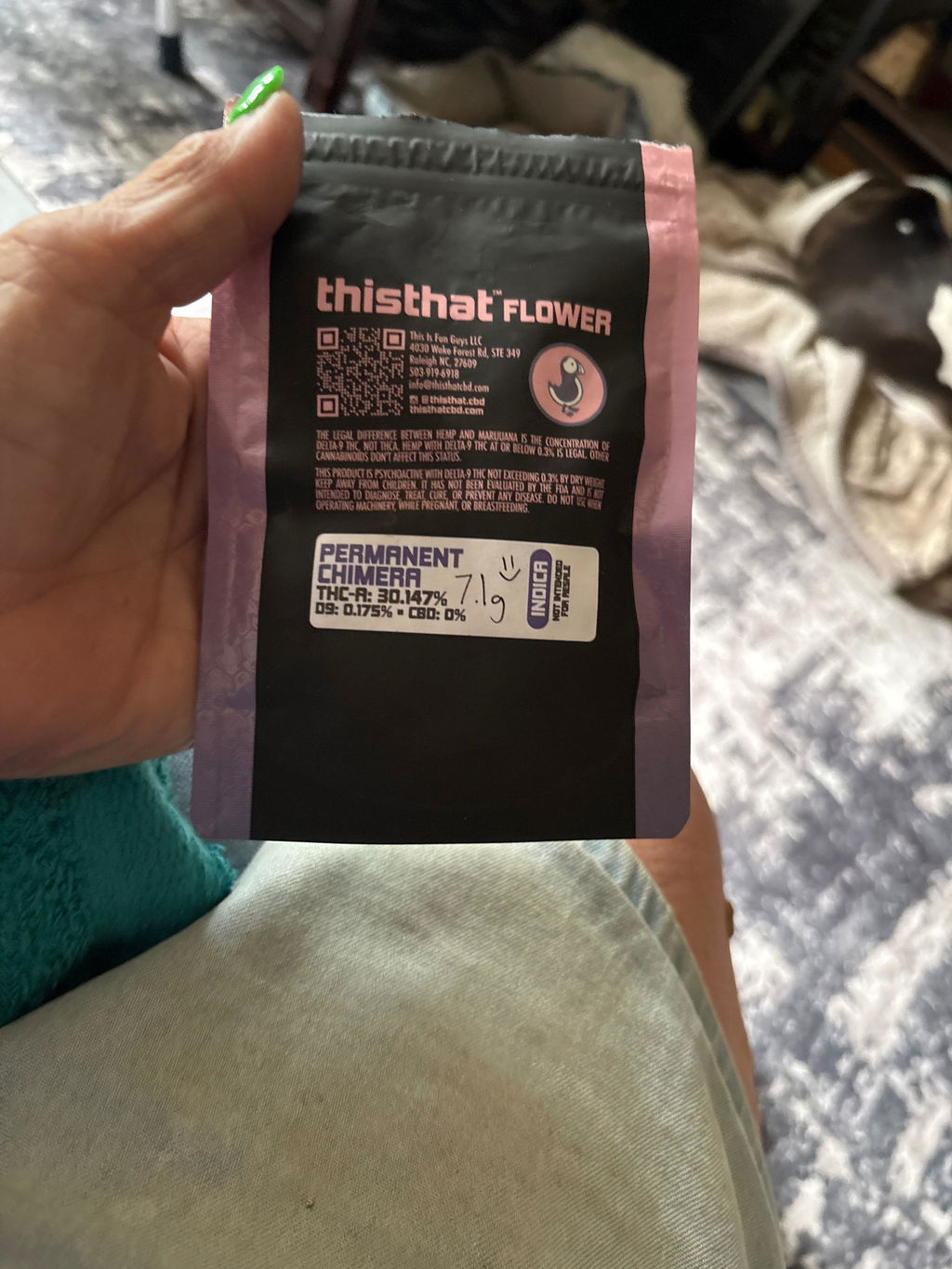
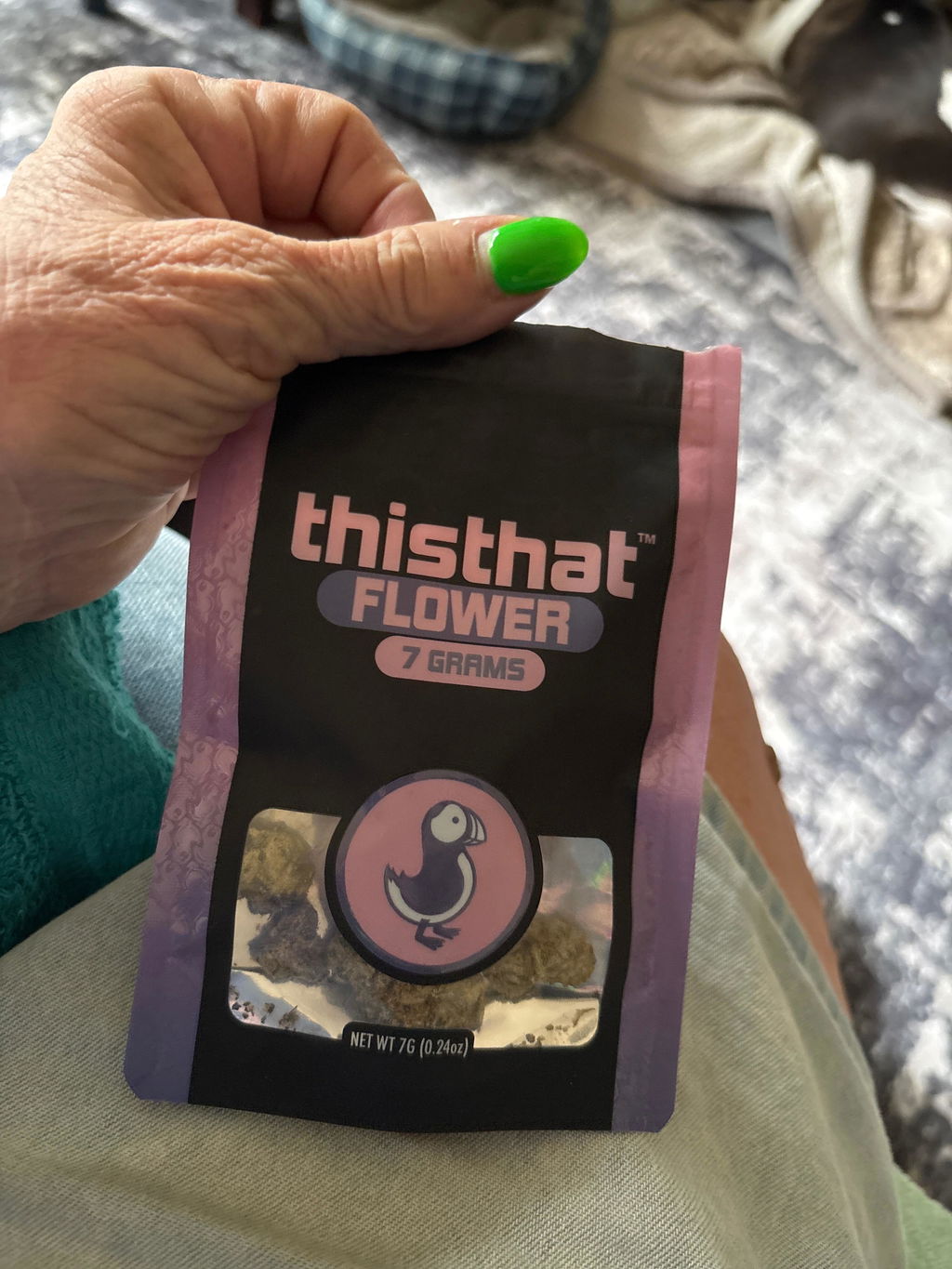
At thisthat, we curate based on flavor, craft, and authenticity—not just raw percentages. Our indoor premium jars are proof: you don’t need “40%” on a label for the flower to hit like top shelf.
If you’ve ever wondered why a “lower testing” eighth absolutely leveled you while a “top testing” one felt flat, this is why.
How to Shop Smarter for THCA Flower
Instead of sorting the menu by the highest number and calling it a day, try this checklist:
- Look at terpenes, not just THC: Ask for the terp profile or total terpene percentage. Anything in the 2–4%+ range, paired with good genetics, is usually a great sign.
- Check the COA: Make sure you can actually see the lab report—cannabinoids, terpenes, and safety testing. (You can always browse our Certificate of Analysis (COAs) page for current thisthat batches.)
- Use your senses: Aroma, texture, and structure often tell you more than one number on a sticker.
- Think about how you like to feel: Citrus and gas, dessert and cream, earthy and calm—matching the terp profile to your preference usually matters more than chasing 1–2% extra THCA.
- Consider the grow style: Indoor for maximum precision and bag appeal, greenhouse for value and sun-boosted terps, outdoor for budget and sun-grown character.
If you want more tools for reading a label like a pro, don’t miss How to Read a Hemp Label Like a Pro and The Problem With Cheap THCA Flower No One Talks About.
FAQ
Q: Are high-THCA strains bad?
Not at all. Some high-testing strains are phenomenal. But without strong terpenes, good genetics, or a proper cure, they often underdeliver compared to what the label suggests.
Q: Does a lower THCA percentage mean weak flower?
No. A well-grown 25–28% strain with rich terps can feel stronger and more enjoyable than a flat 35–40% one that’s all numbers and no flavor.
Q: Should I only buy based on lab results?
Lab tests are critical for safety and transparency, but they’re just one part of the picture. Look at terpenes, genetics, freshness, and how the flower was handled, not just a single potency figure.
Q: Is 40% THCA even realistic?
Extremely high numbers can happen on paper, but they’re rare and often the result of specific lab methods or outlier samples. Instead of chasing the absolute highest percentage, focus on jars that smell incredible, burn clean, and feel right for you.
The Bottom Line
High-testing flower can be impressive, but it’s not the whole story. The best sessions usually come from balanced jars—where terpenes, genetics, and cure are treated with as much respect as THCA percentage.
When you stop chasing just the number and start paying attention to the full experience, you’ll find more jars that you actually want to finish—not just flex on a label.
Shop THCA Flower Curated for Flavor & Freshness
Continue Reading: Why Terpene Labels Matter More Than Strain Names