Why Some THCa Vapes Clog — And How to Fix It
Feb 10, 2025
Decarb THCA Without Losing Terpenes: A Step-by-Step Guide
Decarboxylation is the key to unlocking THCA’s psychoactive potential — but it's also where things can go wrong fast. Overheat it and you vaporize your terpenes. Under-heat it and you don’t fully activate the cannabinoids.
So yes — you can decarb THCA without destroying its flavor and aroma — but you’ll need the right temperature, timing, and technique.
Why Decarboxylation Matters for THCA
THCA (tetrahydrocannabinolic acid) is the non-psychoactive precursor to THC. When heated properly, THCA loses a carboxyl group and becomes Δ9-THC — the compound responsible for cannabis’ euphoric high.
If you’re infusing oils, making edibles, or using flower beyond smoking, you’ll need to decarb to activate the cannabinoids.
The Terpene Trade-off
Terpenes are the aromatic compounds that give cannabis its unique scent, flavor, and “feel” (think calming linalool or citrusy limonene). They’re also highly volatile and begin to degrade at relatively low temperatures — often between about 100 °F and 230 °F.
That’s why decarbing flower or concentrates — which exposes them to heat and oxygen — requires balance: enough heat to activate THCA, but not so much that you scorch the terpenes.
Optimal Decarboxylation Temperatures: THCA vs. Terpenes
| Compound | Activation / Boiling Point (Approx.) |
|---|---|
| THCA → Δ9-THC | ~220 °F (105 °C) internal conversion |
| Limonene | ~348 °F (176 °C) |
| Myrcene | ~332 °F (167 °C) |
| Pinene | ~311 °F (155 °C) |
| Linalool | ~388 °F (198 °C) |
Key insight: lower and slower usually wins when you want to keep terpenes alive.
Best Practice: Decarb Low and Slow
Here’s a method many infusion-focused cooks use to preserve terpene profiles while still activating cannabinoids:
- Preheat your oven to about 220 °F (105 °C). Let it fully come to temp and, if possible, confirm with an oven thermometer.
- Prep your flower. Lightly break it up into small pieces. Avoid powder-fine grinding — leaving some structure can help limit terpene loss.
- Line a baking tray with parchment paper and spread your flower in an even single layer.
- Cover loosely with foil (or use a lidded, oven-safe dish) to help trap volatile compounds and reduce direct oxygen exposure.
- Bake for about 45 minutes. If you know your oven runs hot, you can drop to ~200 °F and extend the time to around 60 minutes.
- Cool completely while still covered. Let the material rest as it cools so any vapor that condensed inside can settle back into the flower.
You can also use precision devices, decarb boxes, or sous-vide style setups for even more control over temperature and time.
What Happens If You Skip Decarbing THCA?
- You’ll mostly extract THCA — not activated THC — if you infuse into oil or butter without decarb.
- The final product may still contain other cannabinoids (like CBG or CBC), but you’ll see far less of the classic psychoactive effect.
- Poor or skipped decarb often means an under-powered experience and wasted potential potency.
Terpene-Saving Tips for THCA Lovers
- Start with fresh, well-stored input: keep flower in airtight jars with humidity packs (around 58–62% RH) in a cool, dark place.
- Use low-temperature infusions: after decarb, infuse into carrier oils at lower temps (around 160–180 °F) to preserve whatever terpenes remain.
- For vaping decarbed material, aim for roughly 320–340 °F to maximize flavor before things get harsh or overly toasty.
Final Thoughts: You Can Decarb THCA Without Losing Flavor
It takes a bit of patience and precision, but if you decarb correctly you’ll unlock both potency and taste. Whether you’re baking edibles or prepping flower for infusions, the combination of temperature, time, and proper storage makes a huge difference in the final experience.
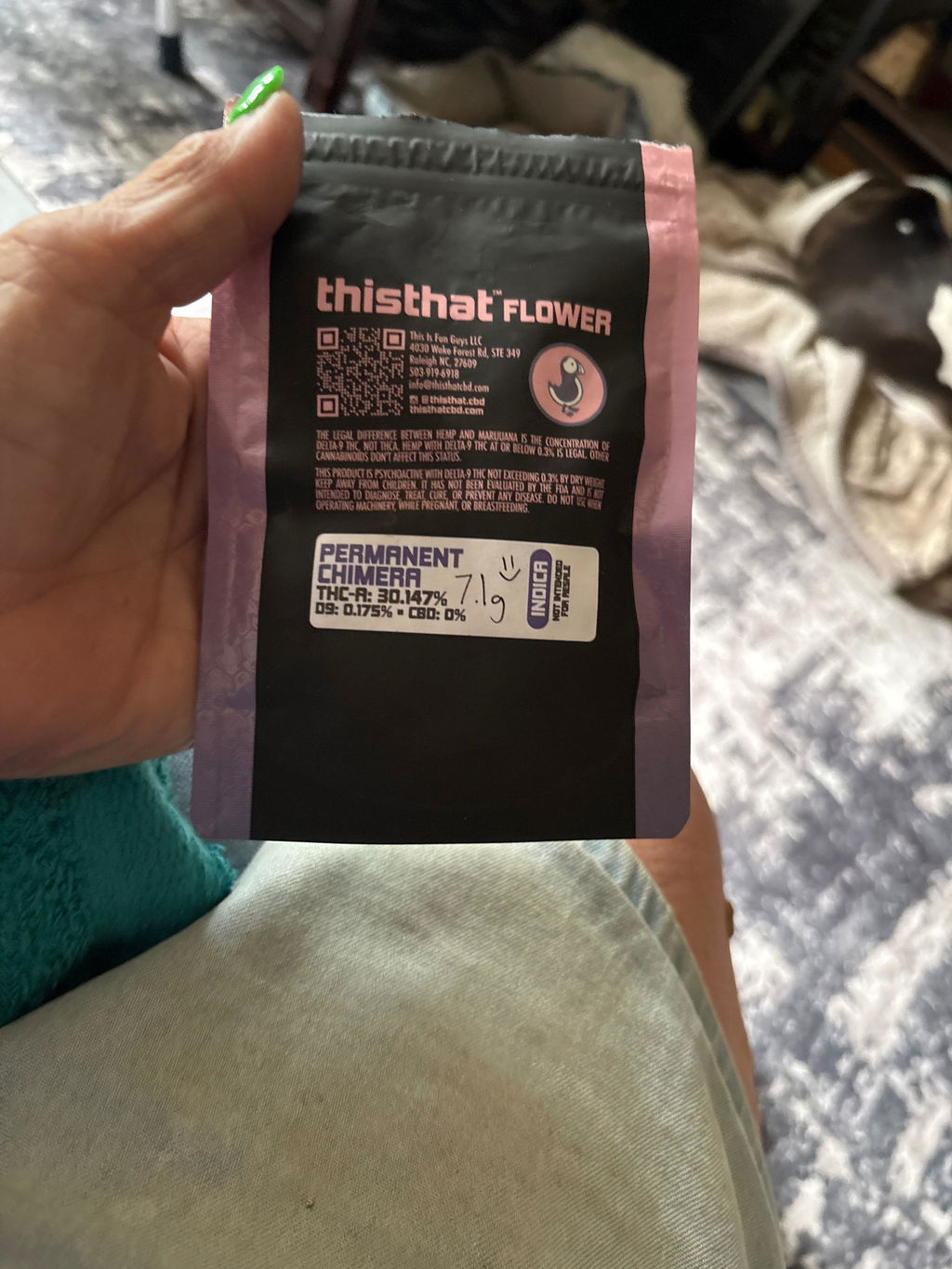
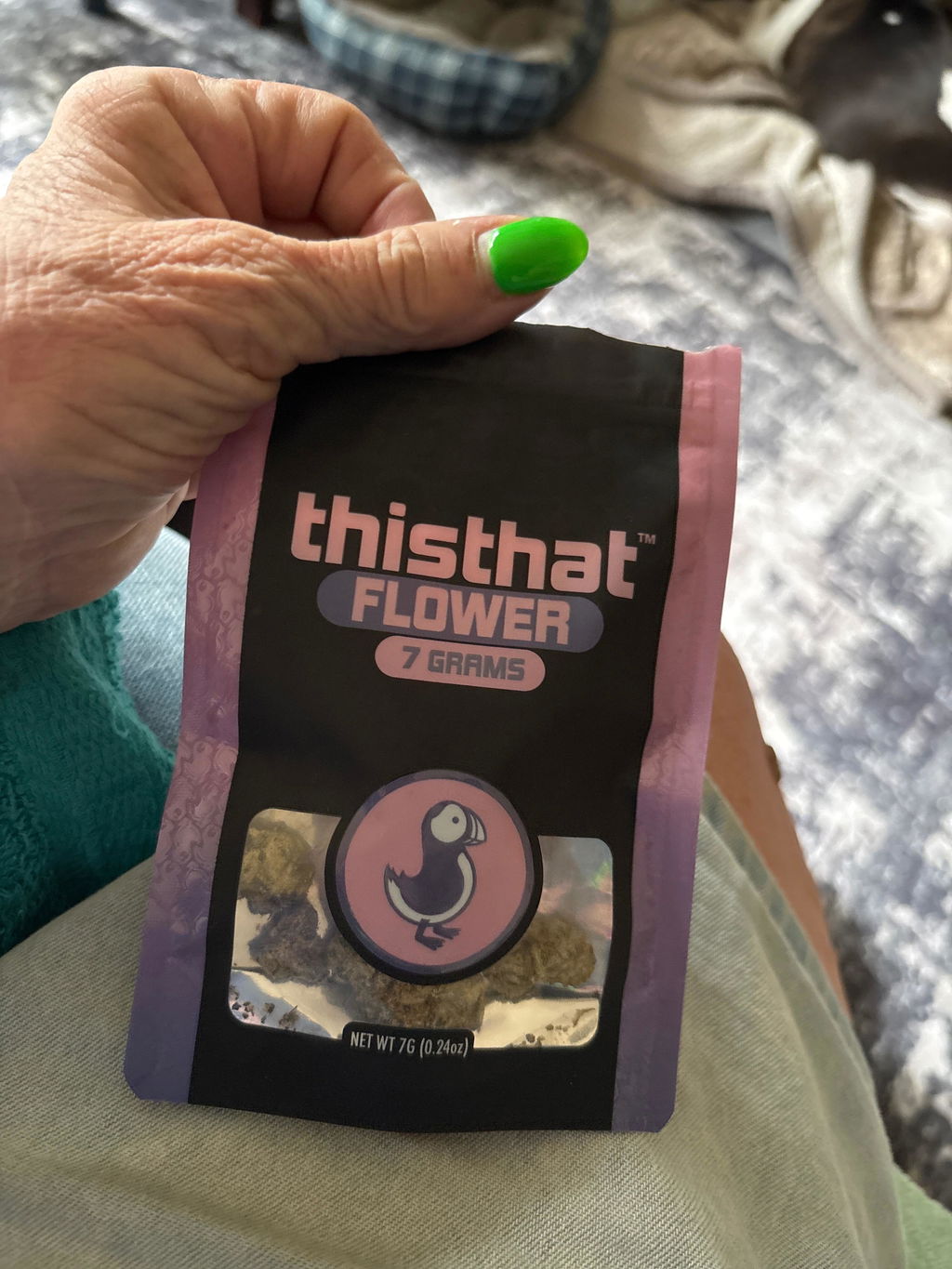
At thisthat CBD, we focus on terpene-rich THCA flower and concentrates with full lab reports so you start with the right input — then you control the finish in your kitchen.
For detailed cannabinoid and terpene data on specific batches, visit our Certificate of Analysis hub.