Is THCA Legal in My State? A 2026 State-by-State Guide
May 04, 2026
Is THCA Legal in My State? A 2026 State-by-State Guide
"Is THCA legal where I live?" It's the number one question we get from new customers — and the answer isn't as simple as yes or no.
At the federal level, THCA derived from hemp (containing less than 0.3% Delta-9 THC by dry weight) is legal under the 2018 Farm Bill. But individual states have the power to pass their own laws restricting or banning certain hemp-derived products.
The landscape changes frequently. Some states that were hemp-friendly a year ago have since added restrictions. Others are actively loosening rules. Here's where things stand as of early 2026.
How Federal Law Works
The 2018 Farm Bill legalized hemp and hemp-derived products nationally, defining "hemp" as cannabis containing less than 0.3% Delta-9 THC by dry weight. Importantly, this measurement applies to Delta-9 THC specifically — not THCA.
Since THCA is a different compound that only converts to THC when heated, THCA-rich flower and products can contain high levels of THCA while still meeting the federal Delta-9 THC threshold. This is why THCA products are federally legal.
However, some states have moved to close this distinction by requiring "total THC" testing — which calculates the potential THC after decarboxylation (THCA × 0.877 + Delta-9 THC). Under total THC rules, most THCA products would exceed the 0.3% limit.
State-by-State Overview
This guide covers general legality as of early 2026. Laws change frequently — always verify current regulations in your state before purchasing. This is not legal advice.
States Where THCA Products Are Generally Available
These states follow federal hemp law without significant additional restrictions on THCA specifically. Products are widely available in retail stores and online:
Alabama, Arizona, California, Connecticut, Florida, Georgia, Illinois, Indiana, Kansas, Kentucky, Louisiana, Maine, Maryland, Massachusetts, Michigan, Missouri, Montana, Nebraska, Nevada, New Hampshire, New Jersey, New Mexico, North Carolina, Ohio, Oklahoma, Pennsylvania, South Carolina, Tennessee, Virginia, Washington, West Virginia, Wisconsin, Wyoming
Note: Even in these states, specific product types (like vapes) may face separate restrictions. Some states have age requirements (21+). Always check the latest regulations.
States With Significant Restrictions
These states have enacted laws that restrict, limit, or effectively ban some or all THCA products:
| State | Status | Details |
|---|---|---|
| Alaska | Restricted | Hemp products regulated under state cannabis program. Limited availability. |
| Arkansas | Restricted | Requires total THC testing. Most THCA products effectively banned. |
| Colorado | Restricted | Hemp-derived THC products regulated like recreational cannabis. Must be sold through licensed dispensaries. |
| Delaware | Restricted | Restrictions on intoxicating hemp products enacted. |
| Hawaii | Restricted | Intoxicating hemp products banned in 2024. |
| Idaho | Banned | Zero-tolerance THC policy. Any detectable THC is illegal. |
| Iowa | Restricted | Consumable hemp products must contain no more than limited THC concentrations. |
| Minnesota | Regulated | Legal but regulated through state cannabis program. Edibles limited to certain mg per serving. |
| Mississippi | Restricted | Restrictions on consumable hemp products. |
| New York | Regulated | Hemp cannabinoid products regulated under cannabis program. Retail sales require compliance. |
| North Dakota | Restricted | Limits on consumable hemp THC content. |
| Oregon | Restricted | Intoxicating hemp products regulated similarly to recreational cannabis. |
| Rhode Island | Restricted | Restrictions on intoxicating hemp-derived products. |
| South Dakota | Restricted | Limited hemp product allowances. |
| Texas | Changing | Vapes banned Sept 2025. New DSHS rules effective March 31, 2026 ban THCA flower and most extracts via total THC testing. Gummies with compliant THC levels may remain. |
| Utah | Restricted | Hemp products with intoxicating cannabinoids restricted. |
| Vermont | Regulated | Regulated under state cannabis framework. |
| Washington | Changing | Legislation pending to regulate intoxicating hemp products. |
What About Shipping?
Federally legal hemp products can generally be shipped across state lines. However:
- The destination state's laws apply. Just because it's legal to ship from Texas doesn't mean it's legal to receive in Idaho.
- Some carriers have their own policies. USPS follows federal law (hemp is mailable). Private carriers like UPS and FedEx may have additional restrictions.
- Lab documentation matters. Legitimate brands ship with COAs (Certificates of Analysis) proving their products meet federal hemp requirements.
How to Stay Informed
Hemp laws change fast. Here's how to stay current:
- Check your state's department of agriculture or health website for the latest hemp regulations.
- Follow industry news sources that track legislative changes in real time.
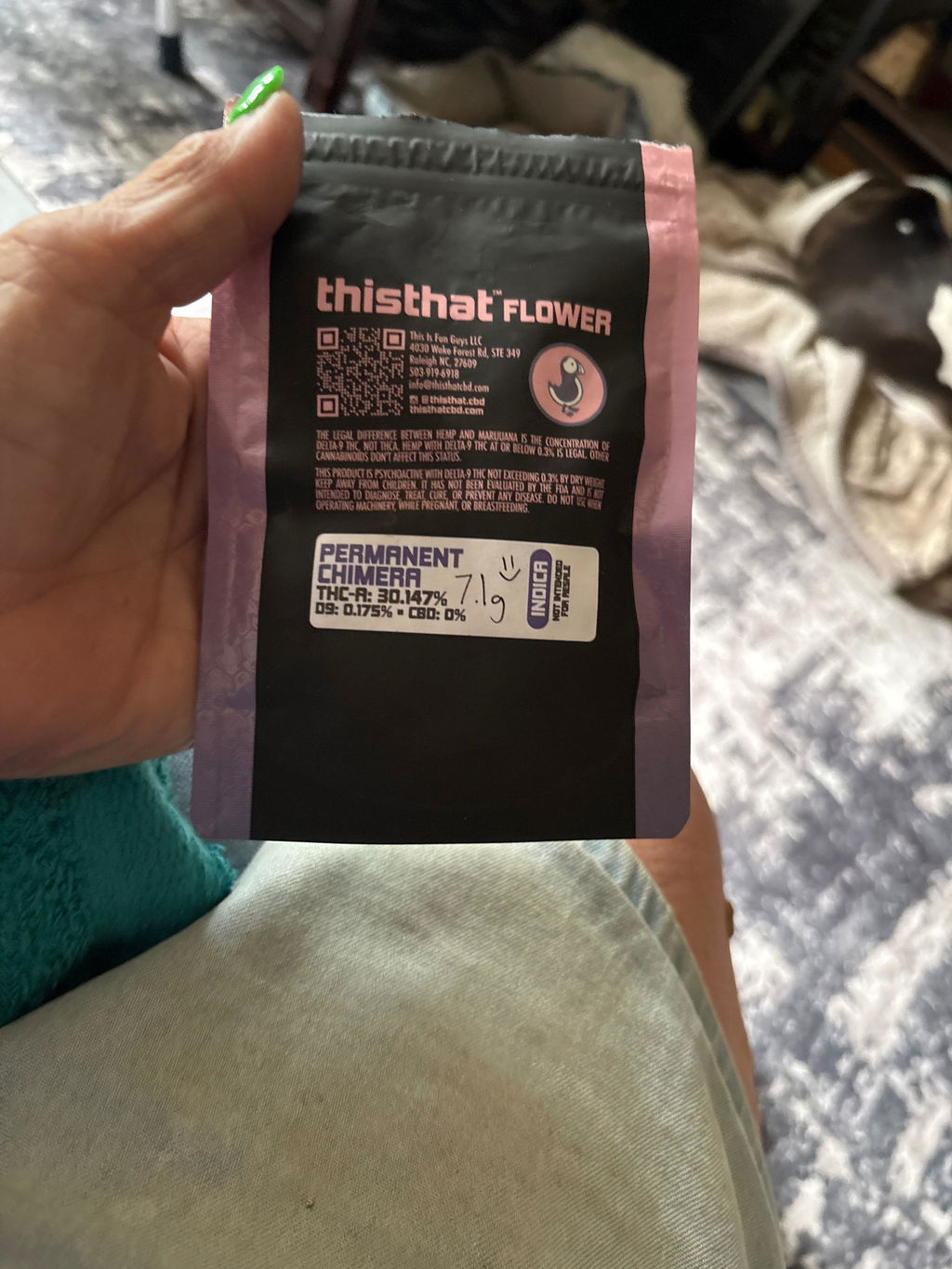
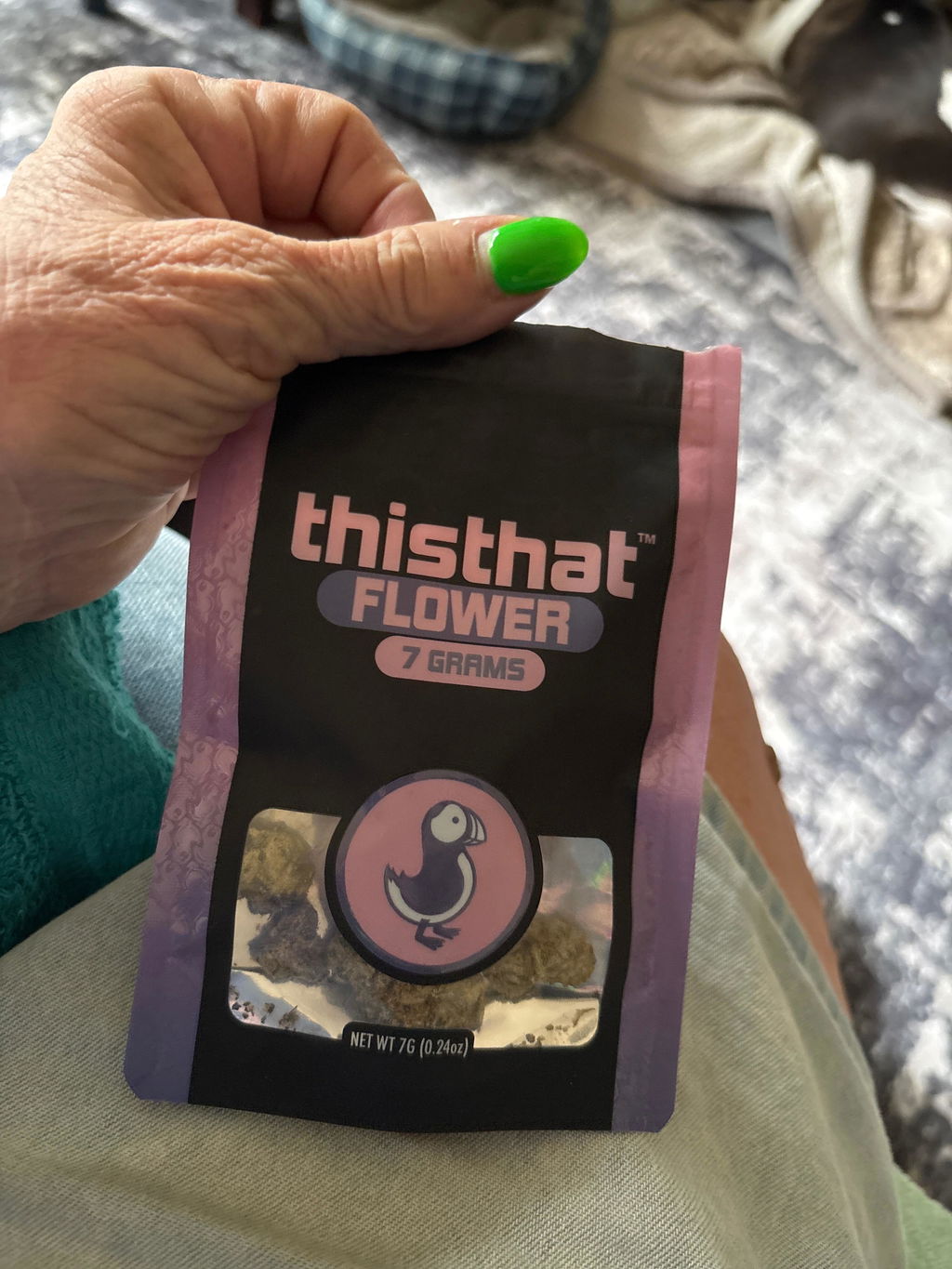
- Ask the brand. Reputable companies like thisthat stay current on state laws and can tell you whether they ship to your state.
- Look at the COA. A current, third-party lab report showing Delta-9 THC under 0.3% is your best legal protection.
Bottom Line
THCA is federally legal, but your state may have additional rules. Most states still allow THCA products under the Farm Bill framework, but a growing number are moving to restrict or regulate them. Always verify your local laws and buy from brands that provide full lab transparency.
Questions about whether we ship to your state? Contact us and we'll give you a straight answer.