What Happens to THCA in Edibles? Understanding Heat, Time, and Effects
Apr 21, 2025
What Happens to THCa in Edibles? Heat, Time, and Effects Explained
THCa becomes Delta-9 THC in edibles when it's heated to about 230–250°F for 30 minutes or more. The process is called decarboxylation — the molecule loses a carboxyl group as carbon dioxide and becomes psychoactive. Theoretically, 100 mg of THCa converts into 87.7 mg of Delta-9 THC. In practice, commercial gummies and chocolates yield about 75–85% conversion, which is what the milligram count on the label reflects. This guide walks through the chemistry, the math, the timing, and why edibles hit harder than vapes.
What Is THCa, and Why Doesn't Raw THCa Get You High?
THCa — tetrahydrocannabinolic acid — is the raw, non-psychoactive form of THC found in living and freshly harvested cannabis plants. Chemically, THCa is THC with one extra carboxyl group (–COOH) hanging off the molecule. That tiny carboxyl group is what stops THCa from binding to your brain's CB1 receptors. No CB1 binding, no high.
Eating raw THCa — chewing on hemp flower, swallowing unheated extract, or sprinkling kief on a salad — does not produce a meaningful high. Your stomach and small intestine cannot reliably break the carboxyl group off the molecule. Some research suggests trace conversion happens at body temperature (98.6°F), but it is far below the threshold that produces psychoactive effects.
To make THCa psychoactive, you have to decarboxylate it: apply heat, the carboxyl group breaks off as CO₂, and what's left is Delta-9 THC. Smoking and vaping do this instantly. Edibles do it before infusion.
The Decarboxylation Math
The full chemical equation is: THCa (358 g/mol) + heat → Delta-9 THC (314 g/mol) + CO₂. The molecular weight loss from removing the carboxyl group works out to a ratio of about 0.877. So:
Theoretical max: 100 mg THCa × 0.877 = 87.7 mg Delta-9 THC
In a perfect lab oven, you'd hit 87.7%. In a real kitchen oven or commercial decarb chamber, you land closer to 75–85% because of incomplete conversion (some THCa survives) and minor side reactions (some THC degrades into CBN at higher temperatures). That's the realistic conversion rate to assume when reading a flower COA.
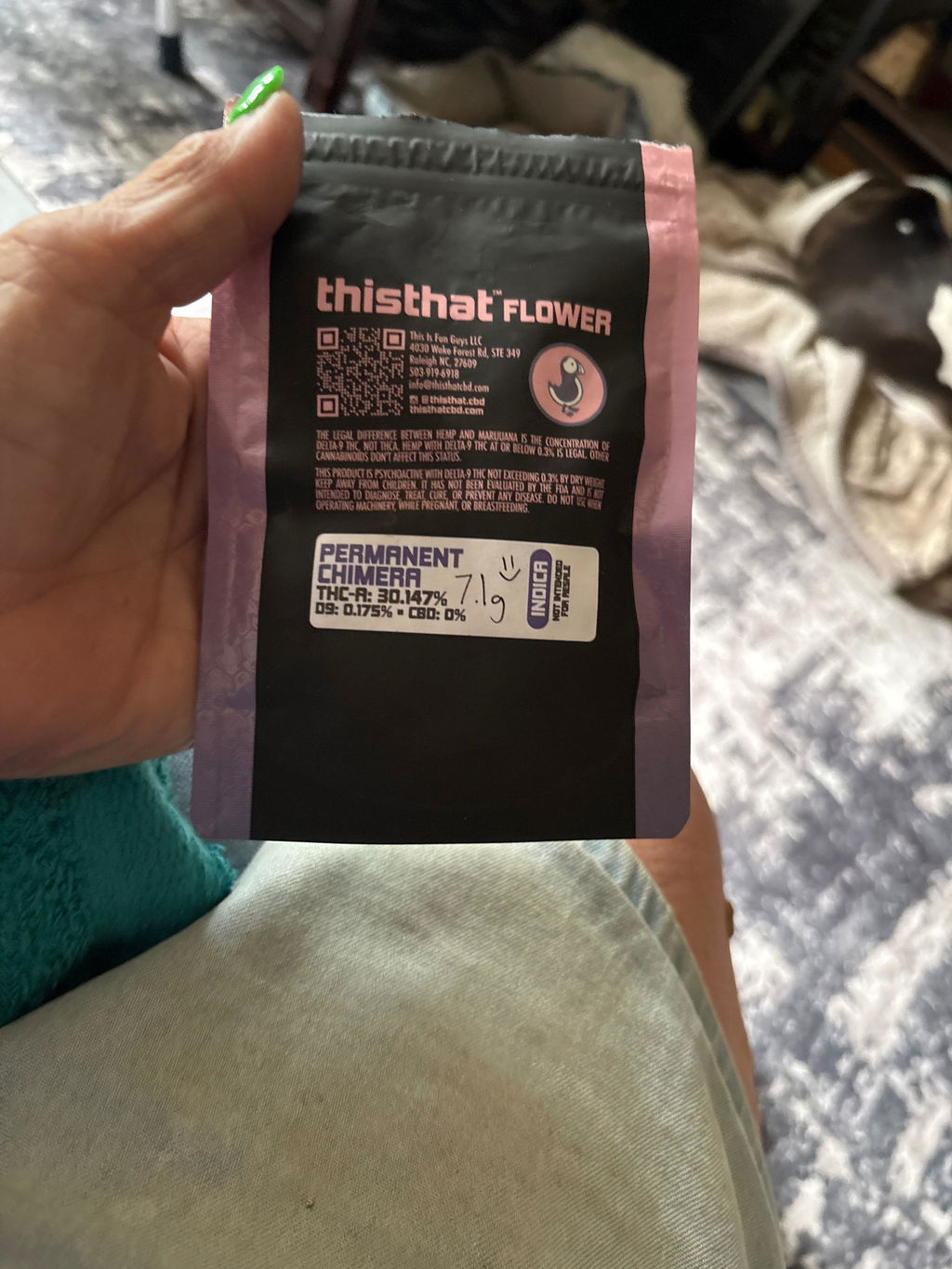
Worked example: a flower test showing 25% THCa and 0.2% Delta-9 THC has a "potential THC" of:
(25 × 0.877) + 0.2 = 22.13% Delta-9 THC after full decarb
For more on reading these numbers from a Certificate of Analysis, see THCa vs. THC Percentages: What Lab Results Actually Mean.
Time and Temperature for Edibles
Decarboxylation is a function of both temperature and time. Hotter and faster, or cooler and slower — both work, but they trade off terpene preservation. Here's the practical table for home decarb:
| Temperature | Time | Result |
|---|---|---|
| 220°F (104°C) | 45–60 minutes | Slow, terpene-rich, partial conversion |
| 230°F (110°C) | 30–40 minutes | Most flavor preserved, ~75% conversion |
| 240°F (115°C) | 30–40 minutes | Best balance — recommended for home |
| 250°F (121°C) | 25–30 minutes | Faster, some terpene loss |
| 265°F (130°C) | ~9 minutes | Fast and complete, but burns most terpenes |
Stir the flower or concentrate every 10 minutes for even heat. Cover the dish loosely with foil to trap volatile terpenes that would otherwise evaporate.
Commercial gummy makers — including the team behind thisthat's gummy lineup — decarboxylate the extract before infusion, in a temperature-controlled industrial chamber. By the time the gummy is in your hand, the milligram count printed on the label reflects the actual Delta-9 THC content, not the pre-decarb THCa weight. You don't need to heat a finished gummy.
Why Edibles Hit Harder Than Smoking
Once Delta-9 THC enters your body through digestion (rather than through the lungs), the liver gets first crack at it. The liver enzyme CYP2C9 converts Delta-9 THC into 11-hydroxy-THC — a metabolite that crosses the blood-brain barrier more readily and binds CB1 receptors more tightly than Delta-9 THC itself.
The result is a stronger, longer, more body-loaded high. Smokers feel the peak around 30 minutes after the joint and fade out within 1–4 hours. Edible users feel the peak around 90 minutes to 2 hours after eating, and the high lasts 4–8 hours, sometimes longer depending on dose and metabolism. The same milligram count produces a more intense experience from a gummy than from a vape.
Onset and Duration by Edible Type
Not all edibles deliver THC the same way. Onset depends on whether the cannabinoid hits your bloodstream through the digestive tract or through mucous membranes.
- Gummies, chocolates, baked goods (digestive): 30–90 minute onset, peaks at 90 minutes to 2 hours, lasts 4–8 hours.
- Cannabis beverages (faster digestive): 15–45 minute onset because liquid empties from the stomach faster than solid food. Lasts 3–6 hours.
- Sublingual tinctures and fast-melt gummies (mucous membrane): 15–30 minute onset because the cannabinoid absorbs under the tongue, partially bypassing the liver. Lasts 2–4 hours.
- Capsules and softgels (slow digestive): 60–120 minute onset because the gel coating must dissolve first. Lasts 6–8 hours.
For a deeper breakdown of duration by product, see How Long Does a THCA High Last?.
Live Rosin vs Live Resin Gummies — Same Decarb Rules
Whether your gummy is infused with live rosin (solventless, ice-water hash, pressed) or live resin (hydrocarbon-extracted, fresh-frozen), the same decarboxylation rules apply. Both extracts must be heated before infusion to convert THCa into Delta-9 THC. The label milligram count reflects post-decarb THC content for both. The differences between live rosin and live resin show up in flavor, terpene profile, and price — not in onset or potency-per-mg. For the full comparison, see Live Rosin Gummies vs Live Resin Gummies.
Dosing THCa Edibles — A Simple Starting Guide
Edible tolerance is highly personal. Body weight, metabolism, last meal, and prior cannabis exposure all shift how a dose feels. Start low and titrate up over multiple sessions:
- 2.5–5 mg — first-time or sensitive user. Mild relaxation, light euphoria.
- 5–10 mg — standard recreational dose. Noticeable high, body relaxation, food enhancement.
- 10–25 mg — experienced user. Strong high, sleepy at the upper end.
- 25–50 mg+ — high tolerance only. Heavy sedation, possible dissociation. Not for new users.
If you've never tried THCa edibles, start with a 5 mg gummy on an empty stomach and wait two hours before deciding whether to take more.
Every thisthat gummy is decarboxylated, batch-tested by Green Leaf Lab, and labeled with exact post-decarb milligrams. Browse the full gummy collection — including live resin and live rosin options that ship to most U.S. states.
The Short Version
- THCa needs heat to become THC. Raw THCa is not psychoactive.
- Decarb at 240°F for 30–40 minutes. That's the home-kitchen sweet spot.
- Conversion math: THCa × 0.877 = max THC. Practical yield is closer to 75–85%.
- Edibles hit harder because of 11-hydroxy-THC. The liver makes the high stronger and longer.
- Onset is 30–90 minutes for most gummies. Wait two hours before re-dosing.
- Gummies remain compliant in Texas as of July 2026. They meet the 0.3% Delta-9 limit; the DSHS Total-THC rule (back in effect since early June 2026) targets high-THCa smokables and concentrates, with enforcement still being determined.
Frequently Asked Questions
Does THCa become THC in edibles?
Yes — but only if the edible is properly decarboxylated. Heating THCa to roughly 230–250°F for 30–45 minutes converts about 75–87% of it to Delta-9 THC through a chemical process called decarboxylation. Eating raw THCa flower or unheated THCa concentrate will not get you high because the digestive system alone does not reliably break the carboxyl group off the THCa molecule. Properly made gummies, chocolates, and baked goods are decarbed by the manufacturer before infusion.
What temperature decarbs THCa for edibles?
The sweet spot for decarbing THCa flower or concentrate at home is 240°F (115°C) for 30–40 minutes, stirred every 10 minutes. Higher temperatures (around 265°F) can finish the conversion in roughly 9 minutes but burn off more terpenes. Lower temperatures (220°F) preserve more flavor but require 45–60 minutes. Most commercial gummy makers decarb the extract first, then infuse — so a finished thisthat gummy needs no additional heating before eating.
Why do edibles hit harder than smoking?
Edibles are processed by the liver before reaching the bloodstream. The liver converts Delta-9 THC into 11-hydroxy-THC, a metabolite that crosses the blood-brain barrier more readily and produces a stronger, longer body high than inhaled THC. Smoking sends Delta-9 THC straight to the lungs and into the bloodstream, skipping the 11-hydroxy conversion. The same dose of THC will feel noticeably more intense from an edible than from a vape or joint.
How long does it take for THCa edibles to kick in?
Most THCa gummies, chocolates, and baked goods take 30 to 90 minutes to take effect, with the peak around 90 minutes to 2 hours after consumption. Faster onset (15–45 minutes) happens with sublingual products like tinctures or fast-melt gummies that absorb under the tongue. Effects last 4–8 hours, sometimes longer depending on dose and metabolism. Wait at least 90 minutes before eating a second dose.
What is the THCa to THC conversion rate in edibles?
The theoretical conversion rate of THCa to Delta-9 THC is 0.877 — meaning 100 mg of pure THCa yields up to 87.7 mg of Delta-9 THC after full decarboxylation. In real-world commercial decarb, the practical yield lands closer to 75–85% because of incomplete conversion and minor terpene-related losses. A 10 mg edible labeled "10 mg Delta-9 THC" is already accounting for the post-decarb amount, not the pre-decarb THCa weight.
Are THCa edibles legal in Texas in 2026?
As of July 2026, hemp-derived gummies and edibles remain legal in Texas because they comply with the 0.3% Delta-9 THC dry-weight limit. The Texas DSHS Total-THC rule — which counts THCa toward that limit — is back in effect after the Fifteenth Court of Appeals declined in early June 2026 to keep the May 1 injunction in place, but it targets high-THCa smokables and concentrates rather than compliant edibles, and enforcement is still being determined while the case continues. A federal total-THC standard and a 0.4 mg total THC per container cap take effect November 12, 2026 — check current shipping availability before ordering.
Related Reading
- THCa vs. THC Percentages: What Lab Results Actually Mean — read potency numbers and use the 0.877 conversion in real life
- Live Rosin Gummies vs Live Resin Gummies — pick the right gummy by extract type
- How Long Does a THCa High Last? — duration breakdown by product
- Texas THCa Flower: Legal Status Explained — full 2026 Texas legal status
- The Science Behind THCA Flower — where THCa comes from before decarb