THCA vs. THC on Lab Results: What the Numbers Actually Mean
Mar 03, 2025
THCA vs. THC on Lab Results: What the Numbers Actually Mean
THCA and THC are two different cannabinoids listed on every hemp Certificate of Analysis (COA), and understanding the distinction is essential for comparing products and predicting effects. THCA is the raw, non-intoxicating acid form found naturally in cannabis flower, while THC (delta-9 THC) is the psychoactive compound your body actually feels — created only when THCA is exposed to heat. This guide explains how labs calculate THC from THCA, why the math matters, and how to use a COA to compare flower, carts, and disposables with confidence.
Quick Primer: What Is THCA and What Is THC?
Cannabis plants don’t actually produce much delta-9 THC on their own. Instead, they synthesize THCA — tetrahydrocannabinolic acid — which sits in the trichomes on the surface of the bud. THCA carries an extra carboxyl group (a cluster of carbon, oxygen, and hydrogen atoms) that prevents it from binding to your brain’s CB1 receptors. That’s why raw flower won’t get you high if you eat it straight.
When you light a bowl, pull on a vape, or heat a dab, that carboxyl group breaks off as CO₂ gas in a process called decarboxylation. What’s left is delta-9 THC — the compound responsible for the psychoactive effects most people associate with cannabis. Labs report both values on a COA because they measure what’s in the product before you apply heat.
How THCA Becomes THC: The Molecular Science Behind 0.877
When THCA converts to THC, it doesn’t convert at a 1:1 ratio. The carboxyl group that breaks off has real molecular weight — about 44.01 grams per mole (the weight of a CO₂ molecule). THCA’s full molecular weight is 358.48 g/mol, and once that CO₂ leaves, the remaining THC molecule weighs 314.47 g/mol.
Divide 314.47 by 358.48 and you get 0.877 — meaning each gram of THCA can produce, at most, 0.877 grams of THC. That’s where the universal lab formula comes from:
Total THC = delta-9 THC + (THCA × 0.877)
Example: A strain testing at 28.0% THCA and 1.2% delta-9 THC converts to: 1.2 + (28.0 × 0.877) = 1.2 + 24.56 = 25.76% Total THC.
In the real world, you won’t get a perfect 87.7% conversion every time. Temperature, device voltage, moisture content, airflow, and terpene composition all affect how completely THCA converts during use. That’s why two flower jars with identical lab numbers can feel different — the COA tells you potential, not a guarantee. For a deeper look at how percentages translate to actual doses, check out Potency Math 101: From THCA % to Real-World Doses.
Total THC vs. Total Cannabinoids — Don’t Confuse Them
Total THC is specific to delta-9 THC plus converted THCA using the 0.877 factor. This is the number that determines legal compliance and gives you the best apples-to-apples potency comparison between products.
Total Cannabinoids adds up THC plus every other cannabinoid the lab detects — CBG, CBC, CBN, THCV, and more. A higher total cannabinoids number does not mean higher THC. If you’re comparing potency head-to-head, look at the Total THC line. If you’re shopping for the full-spectrum experience — flavor, nuance, and what some people call the “entourage effect” — also factor in the terpene panel and minor cannabinoids.
THCA vs. Delta-8 vs. Delta-9: How They Compare
If you’ve shopped for hemp products, you’ve probably seen THCA, delta-8 THC, and delta-9 THC listed on different products. Here’s how they stack up:
THCA is the natural precursor found in raw flower. It’s non-intoxicating until heated, at which point it converts to delta-9 THC and delivers full-strength effects. THCA flower and live resin products are derived directly from the plant with no chemical conversion — what you see on the COA is what the plant actually produced.
Delta-9 THC is the classic psychoactive cannabinoid. In hemp products, it’s limited to 0.3% by dry weight under the 2018 Farm Bill. In edibles and gummies, manufacturers work within that limit by using heavier product weights — a 4-gram gummy can legally contain up to about 12 mg of delta-9 THC while staying compliant.
Delta-8 THC is typically produced by chemically converting CBD through a process called isomerization — it doesn’t occur in meaningful quantities in the plant naturally. Delta-8 is estimated to be about 40–50% less potent than delta-9 THC, which is why some users describe it as a milder, more relaxed experience. However, because it’s synthesized rather than plant-derived, COA transparency matters even more — you want to verify that residual solvents and byproducts are tested.
For a deeper comparison of how these cannabinoids feel in vape form, read Do THCa Vapes Hit Harder Than Delta-8 and Delta-9?.
How Lab Numbers Translate Across Product Types
THCA Flower
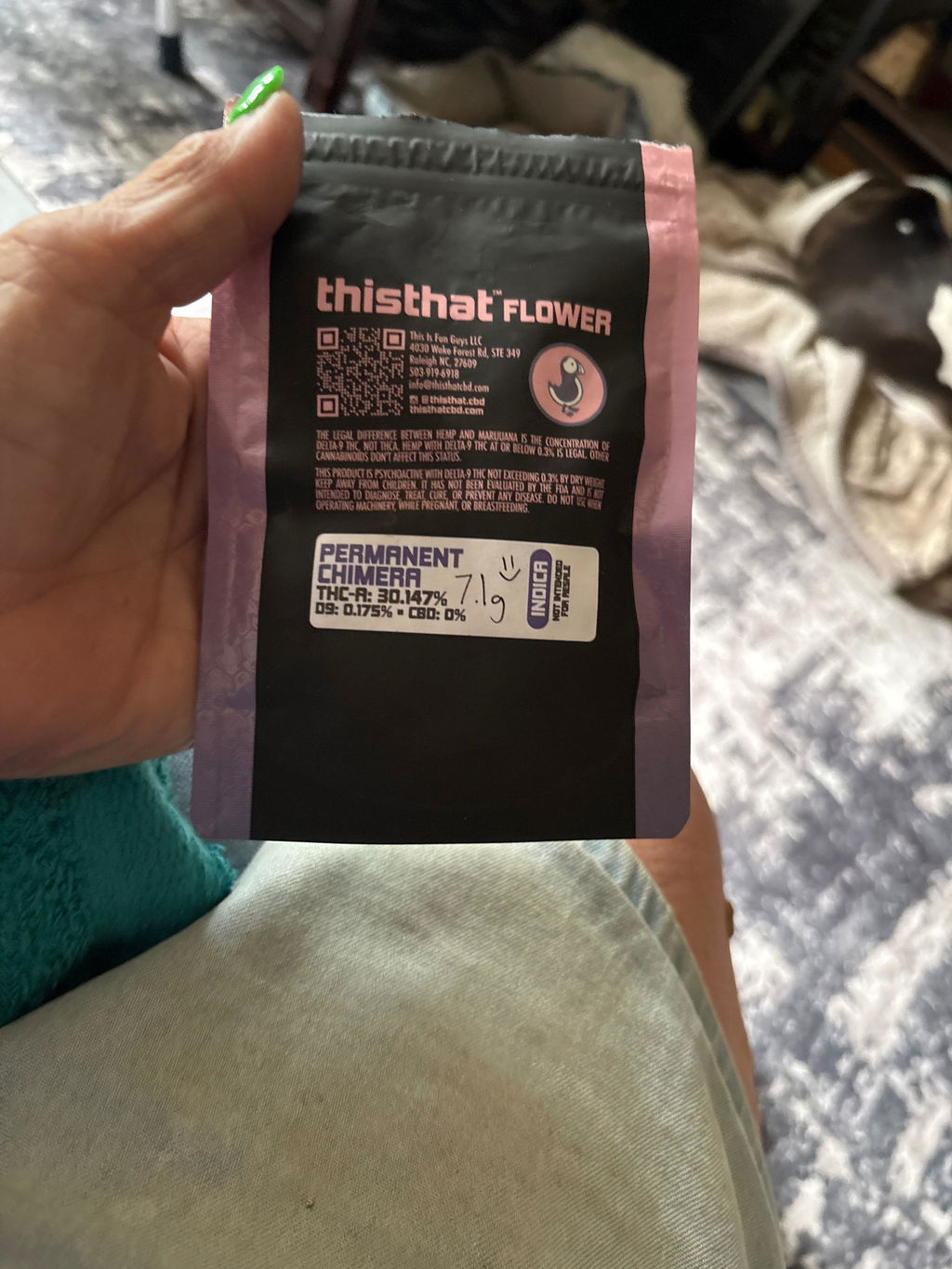
High-quality hemp flower is reported as high THCA, low delta-9 THC — then THC is created when you smoke or vape it. Moisture, cure quality, and terpene content all influence how that potency translates into actual effects. A well-cured, terp-rich jar at 26% THCA can feel more satisfying than a dry, terp-stripped jar testing at 32%.
Browse thisthat’s current THCA flower lineup: Shop THCA Flower.
Live Resin and Live Rosin Vapes
Cartridges and disposables often show higher delta-9 THC on the COA because the oil has already been processed and is ready to vape. If the label lists THCA, the same 0.877 conversion applies. For the most plant-like flavor and effects, look for products labeled live resin or live rosin and check that the COA includes a published terpene panel — that’s your best indicator of quality extraction.
Live Resin Disposable 1g Live Resin 510 Cart
How to Compare Two Products Using Their COAs
Follow these steps to make a meaningful comparison between any two hemp products:
Step 1: Find delta-9 THC and THCA. Calculate Total THC using the formula (THCA × 0.877 + delta-9 THC). This is your potency baseline.
Step 2: Check terpene totals and top terpenes. Products with 2–4% total terpenes are typically very aromatic. Key profiles include limonene and terpinolene for bright, uplifting effects; caryophyllene and linalool for dessert and relaxation; myrcene and humulene for earthy, sedating vibes; and pinene for focus and clarity.
Step 3: Scan minor cannabinoids. Even 0.5–2% of CBG, CBC, or CBN can change how the product feels. These minor players contribute to the entourage effect.
Step 4: Consider form and freshness. Well-cured flower in sealed mylars and live concentrates stored properly will preserve more native compounds than products sitting on a shelf for months. Check the COA date — anything older than six months may not reflect the current batch accurately.
Pro tip: If two items have similar Total THC, pick the one with the richer terpene panel and more meaningful minor cannabinoids. That’s usually the tastier, more satisfying choice. For more on how to evaluate a COA beyond the basics, see How to Read a THCA Flower COA Like a Buyer, Not a Chemist.
Will THCA Show Up on a Drug Test?
Yes. When you smoke, vape, or dab THCA products, the THCA converts to delta-9 THC, which your body then metabolizes into THC-COOH — the exact metabolite that standard urine, blood, and hair drug tests detect. There is no practical difference between consuming THCA flower and consuming any other THC product from a drug testing perspective.
If you have an upcoming drug test, plan accordingly. The detection window depends on frequency of use: occasional users typically clear within 3–7 days, while daily users may test positive for 30 days or longer. For a longer discussion of how THCA affects testing, read Will THCA Show Up on a Drug Test?.
Common Pitfalls and How to Avoid Them
Only chasing percentages: High numbers can come from dry flower or narrow-spectrum oil. A 35% THCA flower with 0.8% terpenes will likely taste flat compared to a 26% flower with 2.5% terpenes. Don’t ignore the terpene panel.
No terpene panel on the COA: If a brand doesn’t publish terpene results, it’s harder to predict flavor and effects. Favor products from companies that publish full-panel COAs — including terpenes, minor cannabinoids, pesticides, and heavy metals. You can verify thisthat’s lab results anytime: Certificate of Analysis Page.
Confusing “total cannabinoids” with potency: A product listing “85% total cannabinoids” might only have 60% Total THC — the rest could be CBD, CBG, or other non-intoxicating compounds. Always confirm the actual Total THC line.
Overheating your device: High voltages burn through oil and destroy terpenes faster. Start at the lowest setting and step up gradually. For optimal temperature settings, check out The Best Voltage and Temperature Settings for THCa Vapes.
Frequently Asked Questions
What is the difference between THCA and THC on a lab report?
THCA is the raw, non-intoxicating acid form found in unheated flower and concentrates. THC (delta-9 THC) is the active, psychoactive compound created when THCA is heated through smoking, vaping, or dabbing. Lab reports list both separately because they are chemically distinct — THCA carries an extra carboxyl group that gets released as CO₂ during decarboxylation.
How do you calculate total THC from a COA?
Use the formula: Total THC = delta-9 THC + (THCA × 0.877). The 0.877 factor accounts for the 12.3% mass lost when THCA sheds its carboxyl group during decarboxylation. For example, flower testing at 28% THCA and 1.2% delta-9 THC has a Total THC of approximately 25.76%.
Why does the 0.877 conversion factor exist?
THCA has a molecular weight of 358.48 g/mol, while THC weighs 314.47 g/mol. When heat removes the carboxyl group as CO₂ (44.01 g/mol), the remaining molecule is only 87.7% of the original mass. That ratio — 314.47 ÷ 358.48 — gives you the 0.877 factor used in every accredited cannabis lab.
Is THCA stronger than delta-8 THC?
When heated and converted to delta-9 THC, THCA produces significantly stronger effects than delta-8. Delta-8 is roughly 40–50% less potent than delta-9, which is why many consumers prefer THCA flower or live resin for a full-strength experience. In its raw, unheated form, THCA is non-intoxicating.
Will THCA flower show up on a drug test?
Yes. When you smoke or vape THCA flower, it converts to delta-9 THC, which your body metabolizes into THC-COOH — the metabolite detected by standard drug tests. If you have an upcoming test, treat THCA products the same way you would any THC product.
What should I look for on a COA besides THC numbers?
Check the terpene panel (2–4% total terpenes indicates a flavorful product), minor cannabinoids like CBG and CBC (even 0.5–2% can shift effects), pesticide and heavy metal results (should show ND or below action limits), and the lab’s ISO 17025 accreditation. A COA dated within six months of purchase is ideal.