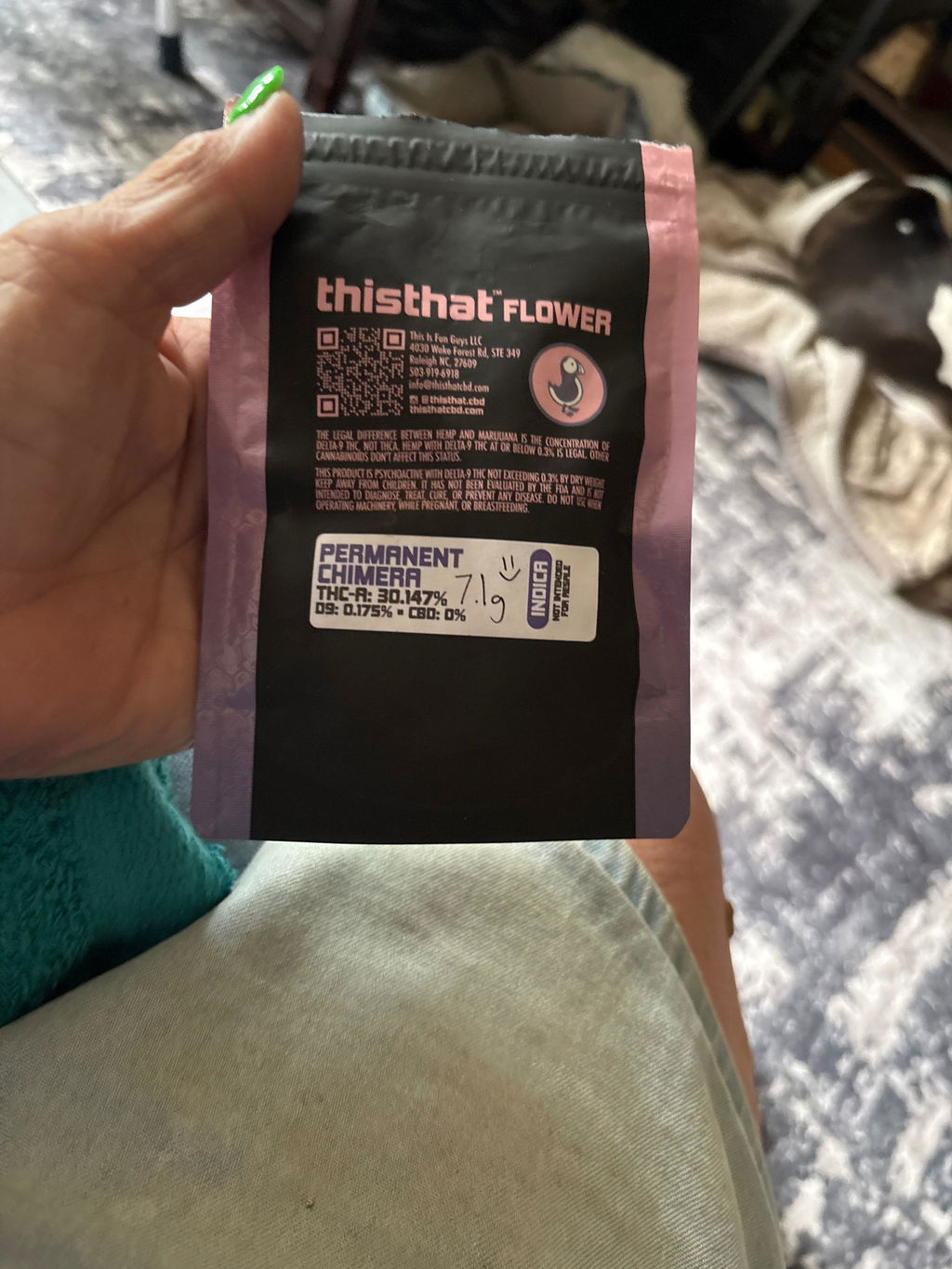
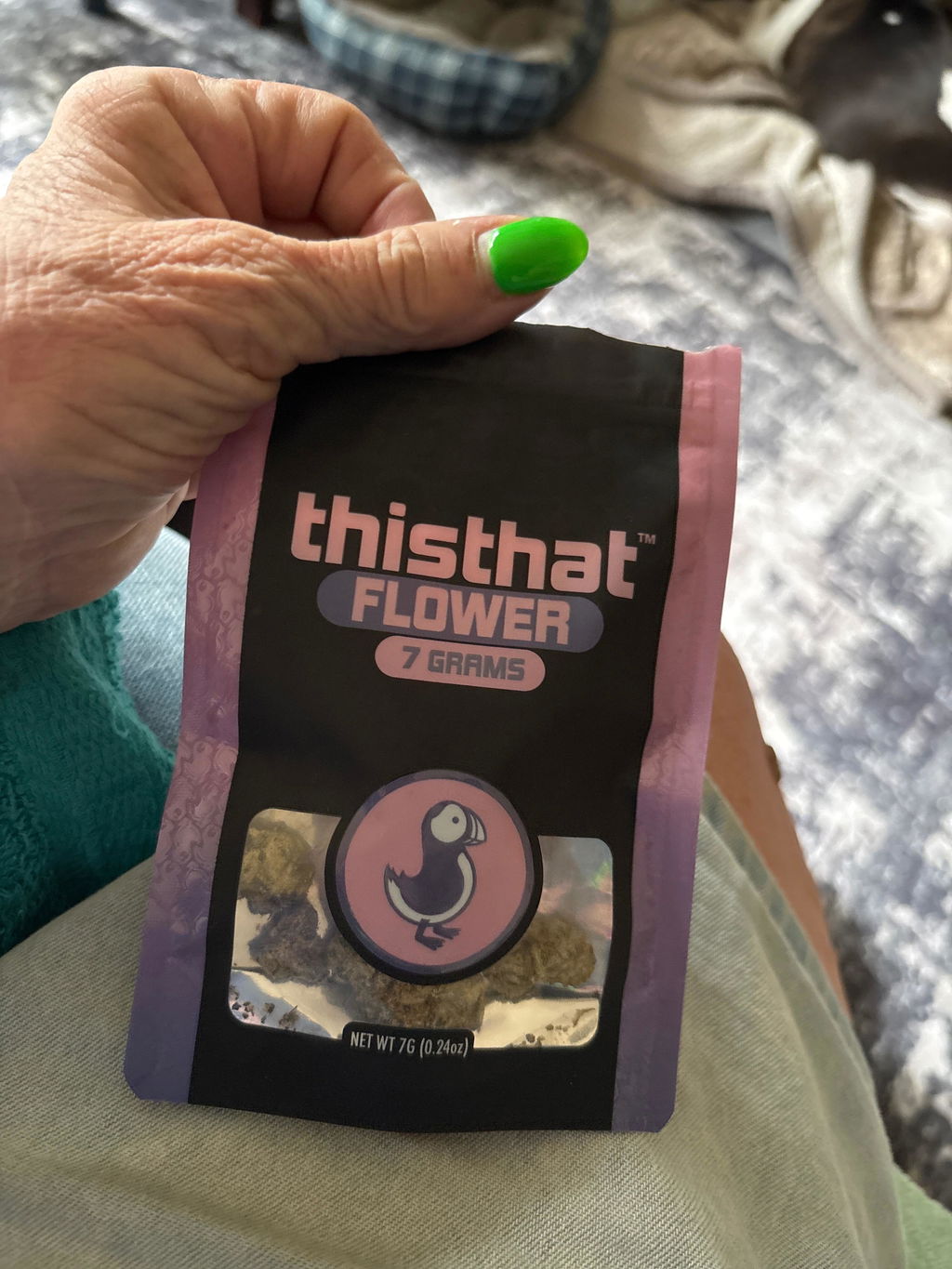
The Science Behind THCA Flower: How It’s Grown and Why It’s Legal
Sep 02, 2024
The Science Behind THCA Flower: How It's Grown and Why It's Legal
THCA flower delivers a cannabis-like experience while remaining compliant with federal hemp laws — but only when it's grown, harvested, and tested with precision. Here's the science behind it.
Want to explore THCA flower for yourself? Check out our full lineup under Top Shelf Flower or shop value options in our $99.99 Ounce Collection.
How THCA Flower Starts: Genetics and Selective Breeding
Everything begins with the plant's genetics. Growers start with hemp cultivars bred to produce high THCA while keeping Delta-9 THC naturally low. Over time, selective breeding enhances these traits, resulting in compliant hemp plants that still deliver strong effects once heated.
The genetic foundation determines how the plant expresses cannabinoids, terpenes, and structure — all of which impact potency, aroma, and smoothness.
The Role of CBGa in THCA Production
All major cannabinoids originate from a single precursor: cannabigerolic acid (CBGa), often called the "mother cannabinoid." Depending on the plant's genetic makeup, enzymes convert CBGa into THCA, CBDA, or CBCA. Growers breeding for high THCA select cultivars where the THCA synthase enzyme is dominant, ensuring the plant channels most of its CBGa into THCA production rather than other cannabinoids.
Modern breeders use techniques including marker-assisted selection and tissue culture to fine-tune genetic potential. Most commercial THCA flower is grown from clones — cuttings taken from a genetically verified mother plant — which ensures every plant in the crop is female, genetically identical, and consistent in cannabinoid output. This uniformity is critical for hitting compliance targets across an entire harvest.
Controlled Cultivation: Growing THCA-Rich Hemp
After choosing the right genetics, the next step is creating the perfect environment. Indoor and greenhouse growers use controlled lighting, temperature, humidity, and airflow to protect cannabinoids and terpenes.
Well-grown THCA hemp benefits from:
- Consistent light cycles for resin production
- Stable temperatures to prevent cannabinoid degradation
- Proper humidity to avoid mold or terpene loss
- Nutrient-rich, clean growing media
A controlled grow produces tighter buds, richer terpene profiles, and higher THCA concentrations — especially compared to outdoor industrial hemp.
Temperature and Humidity Targets
Cannabis plants generally thrive at 68–77°F (20–25°C) during the day with slightly cooler temperatures at night. Research shows that cooler temperatures during the flowering phase can increase THCA levels by slowing the thermal conversion of THCA to THC. Relative humidity should be kept at 40–50% during late flowering to prevent mold while preserving terpene integrity.
Light Cycles
Most THCA cultivars follow a standard photoperiod: 18 hours of light during vegetative growth, then 12/12 (12 hours light, 12 hours dark) to trigger flowering. The flowering phase typically lasts 8–10 weeks depending on the strain. Full-spectrum LED lighting has become the industry standard for indoor grows, offering control over light spectrum while reducing heat stress.
Soil and Nutrients
THCA hemp is grown in nutrient-rich soil that is regularly tested for contaminants like heavy metals and pesticides. Many premium growers use organic practices — living soil, compost teas, and mycorrhizal fungi — to preserve the plant's natural terpene and cannabinoid expression.
Harvesting, Drying & Curing: Protecting Cannabinoids
Timing matters. Growers harvest THCA flower when cannabinoid levels peak and Delta-9 THC is still within legal limits. After harvest, the flower goes through a slow, careful drying process followed by curing in airtight containers.
Proper curing:
- Preserves delicate terpenes
- Stabilizes moisture content
- Improves smoothness and flavor
- Prevents harshness or rapid drying
This is where premium flower separates itself from poorly handled product.
When to Harvest: Reading the Trichomes
Trichomes — the tiny, mushroom-shaped resin glands on the flower surface — are the key indicator. Growers harvest when trichomes are mostly milky white with a few turning amber. Milky trichomes indicate peak THCA concentration. If harvested too early (clear trichomes), potency is lower. Too late (mostly amber), THCA has begun degrading into CBN, a different cannabinoid with sedative rather than stimulating effects.
Storage Best Practices
After curing, THCA flower should be stored in UV-resistant, airtight containers at a stable temperature around 60°F with relative humidity between 55–62%. Boveda or Integra humidity packs help maintain this environment. Proper storage keeps THCA intact and prevents premature decarboxylation. For more on this topic, read our guide: How to Keep THCA Flower from Drying Out.
How Growing Method Affects THCA Flower Quality
Not all THCA flower is created equal, and the growing environment plays a major role:
- Indoor — Full environmental control produces the densest buds, highest THCA concentrations, and richest terpene profiles. This is where boutique and top-shelf flower comes from. The tradeoff is cost — indoor grows are the most expensive to operate.
- Greenhouse — A middle ground that uses natural sunlight supplemented by controlled climate systems. Greenhouse flower can approach indoor quality at a lower cost.
- Outdoor — The most cost-effective and sustainable option, but outdoor flower is exposed to weather, pests, and temperature swings that can reduce THCA potency and terpene richness.
thisthat sources indoor and carefully controlled greenhouse flower for our Top Shelf lineup, and offers outdoor-grown options in our $99.99 Ounce Collection for customers who want value without sacrificing compliance.
For a deeper comparison, read: Indoor vs. Outdoor THCA Flower: What's the Real Difference?
How to Tell Real THCA Flower from Sprayed Products
One important distinction consumers should understand: not all "THCA flower" on the market is naturally grown. Some products start as low-potency CBD hemp that gets sprayed with delta-9 distillate or synthetic cannabinoids to inflate THC numbers on the label.
Red flags to watch for:
- Unnaturally high or perfectly round THC percentages
- No strain-specific terpene profile on the COA
- Price that seems too good to be true
- Sticky, chemical-tasting residue
Naturally grown THCA flower — like what thisthat carries — produces its cannabinoids through the plant's own biosynthesis. The COA shows a natural ratio of THCA to minor cannabinoids, and the terpene profile matches the strain's expected characteristics.
Learn more: Delta-9 Sprayed vs. THCA Flower: How to Spot Real Quality
Why THCA Flower Is Legal (For Now)
Under federal law, hemp is defined as cannabis that contains no more than 0.3% Delta-9 THC by dry weight. THCA itself is not counted in that number unless it has been decarboxylated (heated).
This means THCA flower is legal when:
- Its Delta-9 THC is under 0.3% on a dry-weight basis
- It passes third-party testing with a compliant COA
Even if the THCA content is high, the product remains federally legal as long as unheated Delta-9 stays below the threshold.
Always check your state laws before ordering. Some states regulate THCA differently.
2026 Update: Changing Legal Landscape
The legal landscape for THCA flower is changing rapidly. Texas adopted a total THC testing standard effective March 31, 2026, which includes THCA in the THC calculation and effectively bans THCA flower from retail sale in the state. Several other states are considering similar rules.
Federal law still uses the delta-9 only standard under the 2018 Farm Bill, but H.R. 5371 — taking effect November 12, 2026 — will redefine hemp to include total THC and limit finished products to 0.4 mg total THC per container. This will effectively end THCA flower as a legal product category nationwide.
Always check your state's current laws before purchasing. For a full breakdown of the Texas changes, read: Texas Hemp Laws 2026: What's Changing for Hemp in Texas on March 31.
Lab Testing and Safety: How Compliance Is Verified
Real compliance comes from real testing. Every batch of THCA flower should be verified by a third-party lab.
COAs typically check for:
- Cannabinoid potency (including Delta-9 and THCA levels)
- Pesticides
- Heavy metals
- Residual solvents
- Microbial contaminants
You should only buy THCA flower from companies that publish their COAs openly. Transparency matters — a lot.
View our full Lab Report Library
How to Read a THCA Flower COA
When reviewing a Certificate of Analysis, look for:
- THCA percentage — This tells you the flower's potency potential. Most quality THCA flower ranges from 20–30% THCA.
- Delta-9 THC — Must be under 0.3% for federal compliance. Under the new Texas total THC formula, THCA is also factored in.
- Terpene profile — A detailed terpene panel confirms the flower's strain identity and indicates whether it was naturally grown vs. sprayed.
- Safety panels — Pesticides, heavy metals, residual solvents, and microbials should all pass.
For a step-by-step walkthrough, read: THCA vs. THC on Lab Results: How to Read COAs the Right Way
Why THCA Flower Is Popular
- Potency: When heated, THCA converts into Delta-9 THC, producing classic effects.
- Flavor: Proper curing keeps terpene profiles intact for rich, strain-specific flavor.
- Legal access: In many states, THCA flower is accessible even where legal cannabis is not.
- Versatility: Works in pipes, joints, vapes, bowls, and more.
Consumers get a high-quality, cannabis-like experience without stepping outside federal hemp compliance.
Final Thoughts
THCA flower represents the intersection of agricultural science, selective breeding, and regulatory compliance. From the CBGa biosynthesis pathway to controlled indoor cultivation to precision harvest timing, every step in the process matters. Understanding the science helps you appreciate the difference between premium, naturally grown THCA flower and lower-quality alternatives.
As legal standards evolve — with Texas's total THC rule already in effect and federal changes coming in November 2026 — staying informed and buying from transparent, lab-tested sources is more important than ever.
Ready to try premium THCA flower? Explore our curated lineup under Top Shelf Flower or shop bulk pricing at $99.99 Ounces.
Frequently Asked Questions
What is THCA and how is it different from THC?
THCA (tetrahydrocannabinolic acid) is a naturally occurring cannabinoid in raw cannabis and hemp. It is non-psychoactive until heated through smoking, vaping, or cooking — a process called decarboxylation that converts it to delta-9 THC.
Is THCA flower natural or man-made?
Genuine THCA flower is 100% natural. It comes from hemp plants selectively bred to produce high levels of THCA through the plant's own cannabinoid biosynthesis pathway. Beware of sprayed products that artificially inflate THC levels.
What temperature converts THCA to THC?
Decarboxylation begins around 220°F (104°C), with optimal conversion at approximately 230°F (110°C). This happens naturally when you smoke or vape flower. The conversion rate is approximately 87.7% — meaning 1 gram of THCA yields about 0.877 grams of THC.
How long does it take to grow THCA flower from seed to harvest?
The full cultivation cycle takes roughly 4 months — about 10 weeks of vegetative growth followed by 6–10 weeks of flowering, depending on the strain. Most commercial growers use clones rather than seeds for consistency.
How should I store THCA flower to keep it fresh?
Store in UV-resistant, airtight containers at around 60°F with 55–62% relative humidity. Boveda or Integra humidity packs help maintain ideal conditions. Avoid heat, light, and air exposure, which can degrade THCA into THC or CBN over time.
How can I tell if THCA flower is high quality?
Look for dense, trichome-rich buds with a strong terpene aroma. Check the COA for a natural THCA-to-minor-cannabinoid ratio, a detailed terpene panel, and passing safety tests. Avoid products with unnaturally high or perfectly round THC percentages, which may indicate spraying.