What is THCA? A Comprehensive Guide to Cannabinoids
Sep 09, 2024
What Is THCA? A Comprehensive Guide to Cannabinoids
As the cannabis and hemp industries continue to expand, new cannabinoids are capturing the attention of consumers. One of the rising stars in the hemp world is THCA (tetrahydrocannabinolic acid), a non-psychoactive compound that holds immense promise for cannabis enthusiasts and hemp advocates alike. But what exactly is THCA, and why is it gaining traction? Let’s dive into the science, benefits, and importance of this fascinating cannabinoid.
Understanding THCA: The Foundation of THC
THCA is the acidic precursor to THC (tetrahydrocannabinol), the compound responsible for the psychoactive effects associated with cannabis. THCA exists in raw, unheated cannabis or hemp plants. When exposed to heat through smoking, vaping, or cooking, THCA undergoes a chemical process called decarboxylation, transforming into THC.
Unlike THC, THCA is non-psychoactive in its raw form, meaning it doesn’t produce the “high” commonly associated with cannabis. However, its unique properties and potential benefits make it a valuable component of modern hemp products.
If you want to go deeper into cultivation, check out our post on the science behind THCA flower, how it’s grown, and why it’s legal.
The Science of THCA in Hemp Plants
THCA is found naturally in hemp and cannabis plants, particularly in the trichomes—the resin glands that contain cannabinoids and terpenes. Hemp plants used to produce THCA products must meet strict compliance standards under the 2018 Farm Bill, containing less than 0.3% Delta-9 THC by dry weight. This is what keeps hemp products federally legal.
The growing popularity of high-THCA hemp flower is due to advanced cultivation and curing techniques. Farmers select specific strains bred to maintain high levels of THCA while keeping Delta-9 THC levels compliant. This allows consumers to enjoy THCA-rich flower that fits within federal guidelines when properly produced and tested.
Because laws can differ by state, it’s also important to understand how THCA fits into your local framework. For example, if you’re in Texas, our guide on Texas THCA flower legal status breaks down how state rules interact with federal hemp law.
How THCA Is Extracted and Used
THCA is most commonly preserved through live resin or live rosin extraction methods, which focus on capturing the plant’s full spectrum of cannabinoids and terpenes:
- Live Resin Extraction: Freshly harvested hemp plants are flash-frozen and extracted with solvents, preserving a rich terpene profile and THCA content.
- Live Rosin Extraction: Solventless methods use ice water, pressure, and low heat to press cannabinoids and terpenes out of the plant or hash, creating ultra-clean concentrates.
From there, THCA shows up in several product formats:
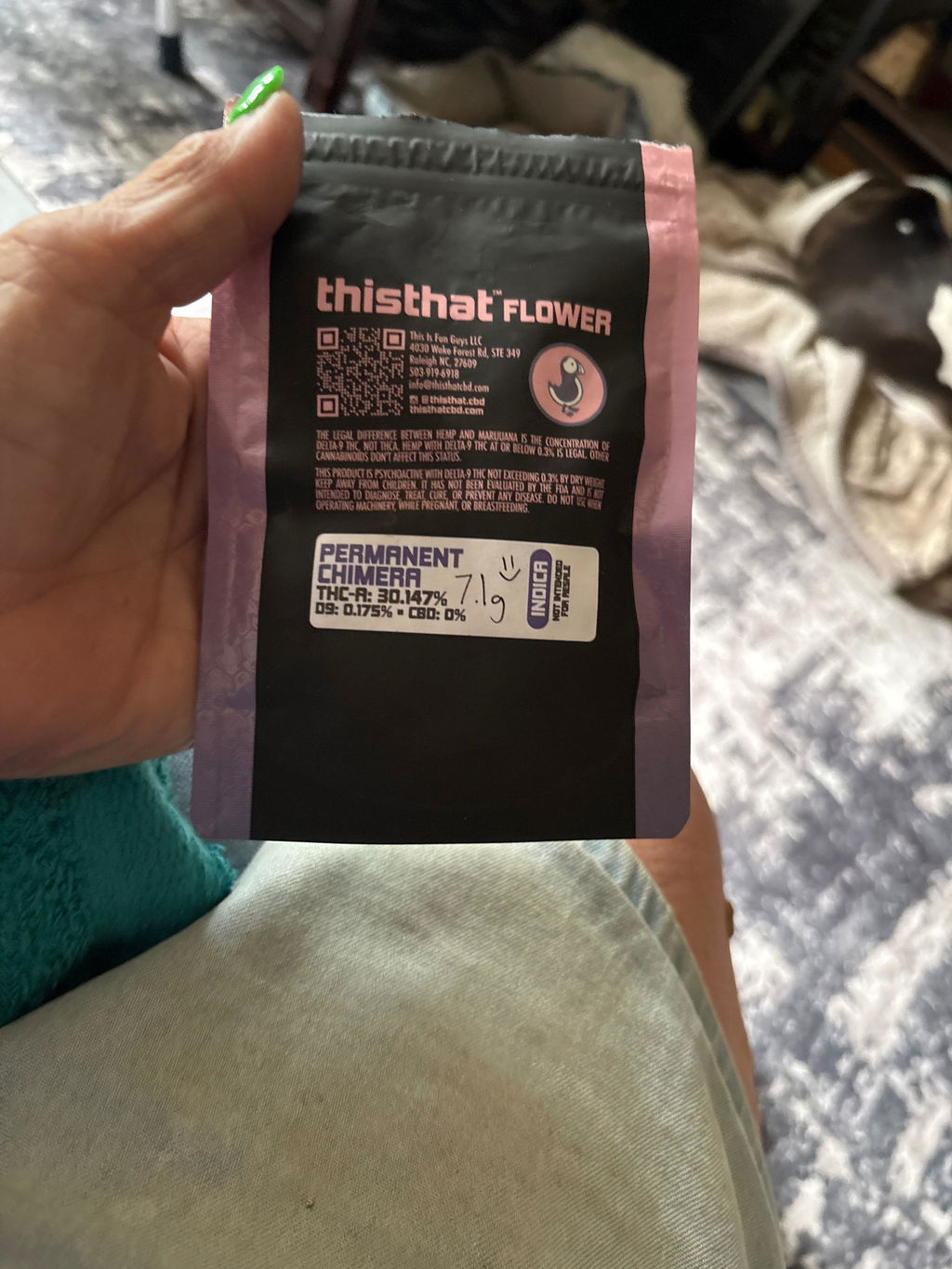
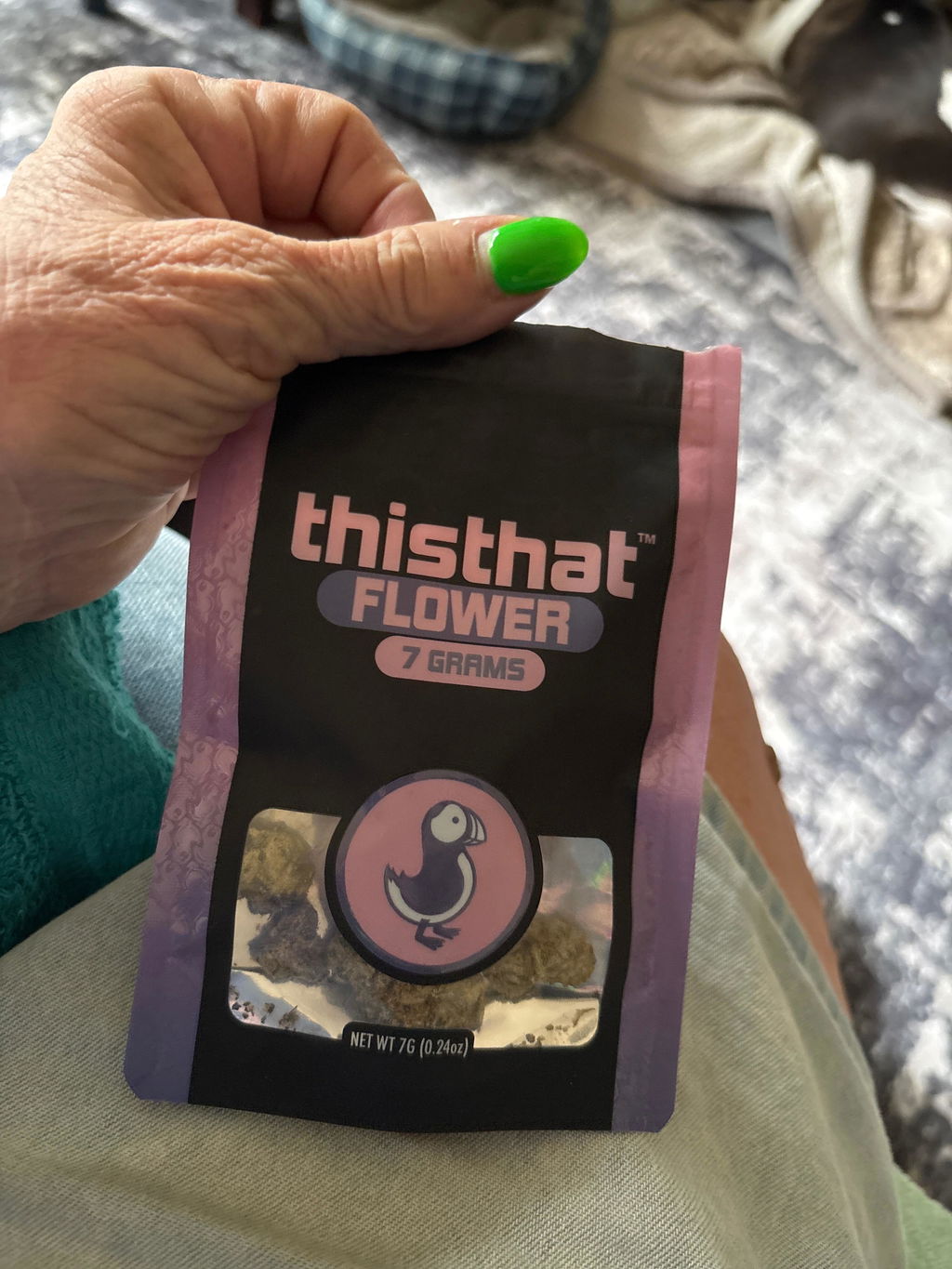
- THCA Flower: Raw hemp flower with high THCA content for smoking, vaporizing, or home infusions. Browse our current lineup in the THCA flower collection.
- THCA Concentrates: Potent extracts such as live resin, live rosin, or other dabs for experienced users who prefer small, strong doses.
- THCA Disposables and Cartridges: Convenient vapes made with live resin or live rosin oil, designed for flavor-forward, full-spectrum experiences.
If you’re curious about how different extracts compare, you may also like our guide on Live Resin THCA vs. Live Rosin THCA.
Lab Testing: Ensuring Quality and Compliance
As with all hemp-derived products, transparency and safety are non-negotiable. Third-party lab testing plays a pivotal role in ensuring THCA products meet federal compliance standards and deliver a high-quality experience.
Lab tests typically measure:
- Cannabinoid Profile: Verifying THCA, Delta-9 THC, and other cannabinoid levels.
- Terpene Content: Highlighting the aromatic compounds that influence flavor, aroma, and feel.
- Purity and Safety: Confirming products are free from contaminants like pesticides, heavy metals, residual solvents, and mold.
You can view our most recent Certificates of Analysis on our COA page to see exactly what’s in your jar, cart, or disposable.
Benefits of THCA: More Than a Precursor
Although research on THCA is still emerging, early studies and consumer reports suggest it may offer unique potential benefits distinct from THC. Unlike its psychoactive counterpart, THCA is being explored for its interaction with the endocannabinoid system, which helps regulate mood, sleep, appetite, and more.
Many consumers are drawn to THCA for its true-to-plant experience. Because THCA products often preserve original terpenes and minor cannabinoids—especially in live resin and live rosin formats—they deliver a flavor and aroma that feels closer to fresh flower.
If you’re curious how THCA behaves when heated or cooked into food, you can dive deeper into our guide on what happens to THCA in edibles.
THCA, Legality & Drug Testing Considerations
Because THCA converts to THC when heated, there are two important considerations: legal status and drug testing.
- Legality: Under federal law, hemp products must remain under 0.3% Delta-9 THC by dry weight. When you’re shopping, look for clear labeling and up-to-date COAs so you can see both THCA and Delta-9 THC levels, and always stay informed about state-specific rules.
- Drug Testing: Standard tests look for THC metabolites (like THC-COOH), not THCA itself. Once THCA is heated and converted to THC, it can lead to a positive drug test. For a deeper breakdown, see our article Will THCA Show Up on a Drug Test?
How THCA Fits Into the Modern Hemp Industry
As a federally compliant cannabinoid when produced within hemp limits, THCA bridges the gap between hemp-derived products and traditional cannabis. Its non-psychoactive raw form, combined with its ability to convert into THC when heated, makes it an appealing option for a wide range of consumers:
- Curious newcomers who want to understand modern hemp flower and vapes.
- Experienced cannabis users looking for high-terp, high-THCA products that fit within hemp regulations.
- Consumers who care about strain specificity, terp profiles, and documented lab testing.
THCA has quickly become one of the core cannabinoids in premium hemp products, especially when paired with terpene-rich profiles that emphasize flavor and feel—not just percentages on a label.
Why Choose THCA from thisthat
For those looking to explore THCA, product quality and sourcing matter just as much as potency. At thisthat, we focus on:
- Fresh, carefully cured THCA flower with detailed COAs.
- Live resin and live rosin vapes made from strain-specific input, not generic distillate.
- Transparent lab testing with easy access to results for every batch.
For storage tips that keep that quality intact, you can also read our guide on how to keep THCA flower fresh and our broader storage guide, how to store CBD & THCA products.
Final Thoughts
THCA represents a significant milestone in hemp innovation, combining compliance, versatility, and authenticity. As research and consumer interest grow, THCA is poised to solidify its place in the cannabinoid market. Whether you’re new to hemp or a seasoned enthusiast, THCA offers an exciting glimpse into the future of cannabis-derived products—especially when supported by real lab data and thoughtful, terpene-forward strain selection.
Ready to explore THCA for yourself?
Shop High-THCA Flower | Browse Live Resin Vapes | Explore Live Rosin